May 4, 2026
Plumbing issues in commercial buildings aren’t just inconvenient—they can disrupt operations, damage property, and lead to costly repairs if not handled quickly. Whether you manage an office, restaurant, retail store, or industrial facility, understanding common plumbing problems (and how to fix them) can save time, money, and stress.
In this guide, we’ll break down the most frequent commercial plumbing issues and provide practical solutions to keep your systems running smoothly.
____________________
1. Clogged Drains
The Problem
Clogged drains are one of the most common plumbing issues in commercial buildings. High usage in restrooms, kitchens, and utility areas leads to buildup of grease, soap, hair, and debris.
How to Fix It
- Use commercial-grade drain cleaners or enzymatic solutions regularly
- Install drain strainers to catch debris
- Schedule routine professional drain cleaning
- Avoid pouring grease or food waste down drains (especially in restaurants)
Prevention Tip
Implement a maintenance schedule to clean drains before blockages occur.
____________________
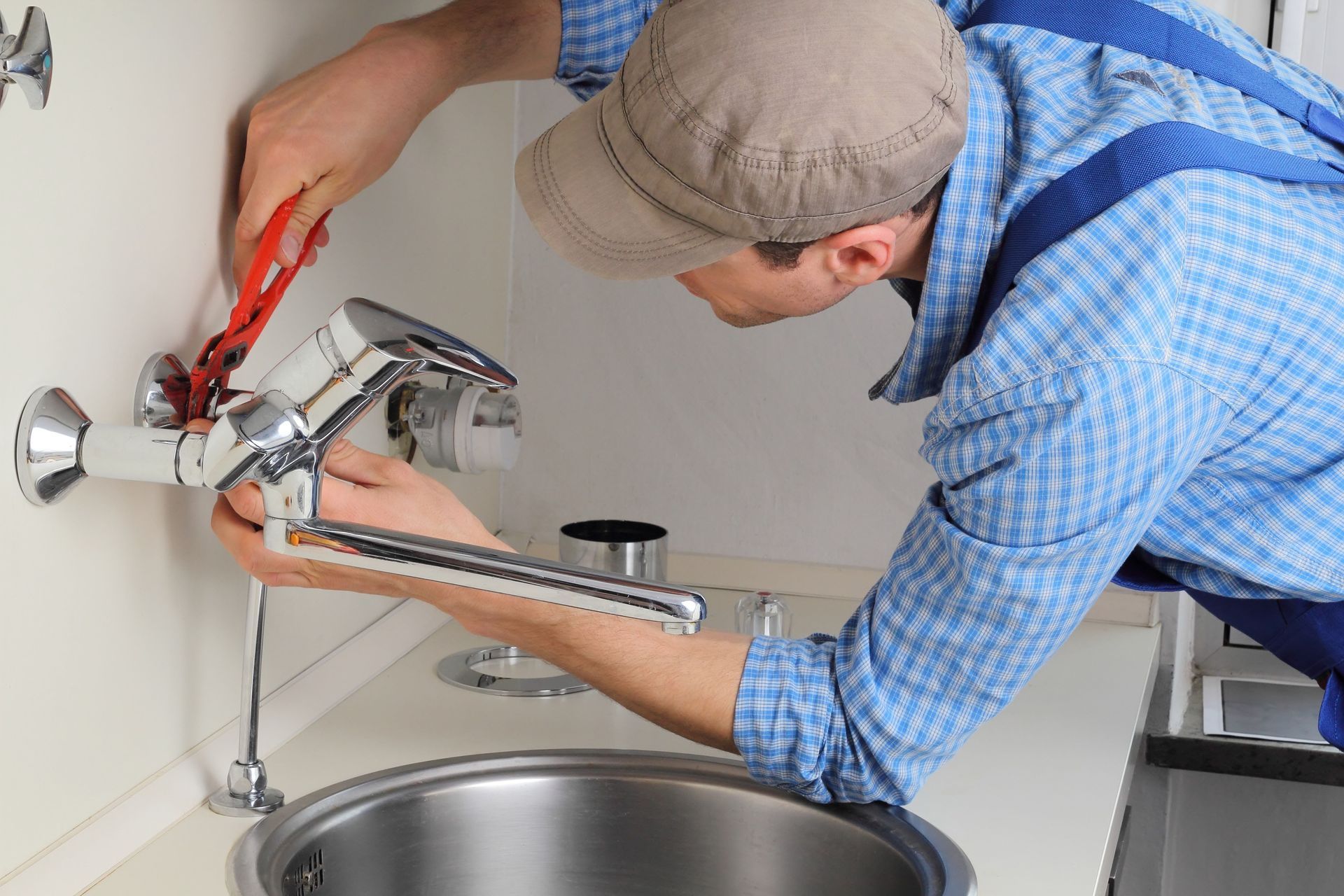
2. Leaky Faucets and Fixtures
The Problem
Even a small leak can waste thousands of gallons of water annually and increase utility bills significantly.
How to Fix It
- Replace worn-out washers, O-rings, or seals
- Tighten loose fixtures
- Upgrade to modern, water-efficient fixtures
Prevention Tip
Conduct periodic inspections to catch leaks early before they worsen.
____________________
3. Running Toilets
The Problem
A constantly running toilet can waste hundreds of gallons of water per day—something no commercial building can afford.
How to Fix It
- Inspect and replace faulty flappers or fill valves
- Adjust the float level
- Check for chain tangles inside the tank
Prevention Tip
Use high-quality commercial-grade toilet components that withstand heavy usage.
____________________
4. Low Water Pressure
The Problem
Low water pressure can frustrate employees and customers while also signaling a deeper plumbing issue.
Common Causes
- Pipe corrosion
- Hidden leaks
- Mineral buildup
- Problems with the municipal water supply
How to Fix It
- Check for leaks throughout the system
- Clean or replace clogged aerators
- Flush out mineral buildup from pipes
- Consult a plumber if pressure regulators are faulty
____________________
5. Water Heater Issues
The Problem
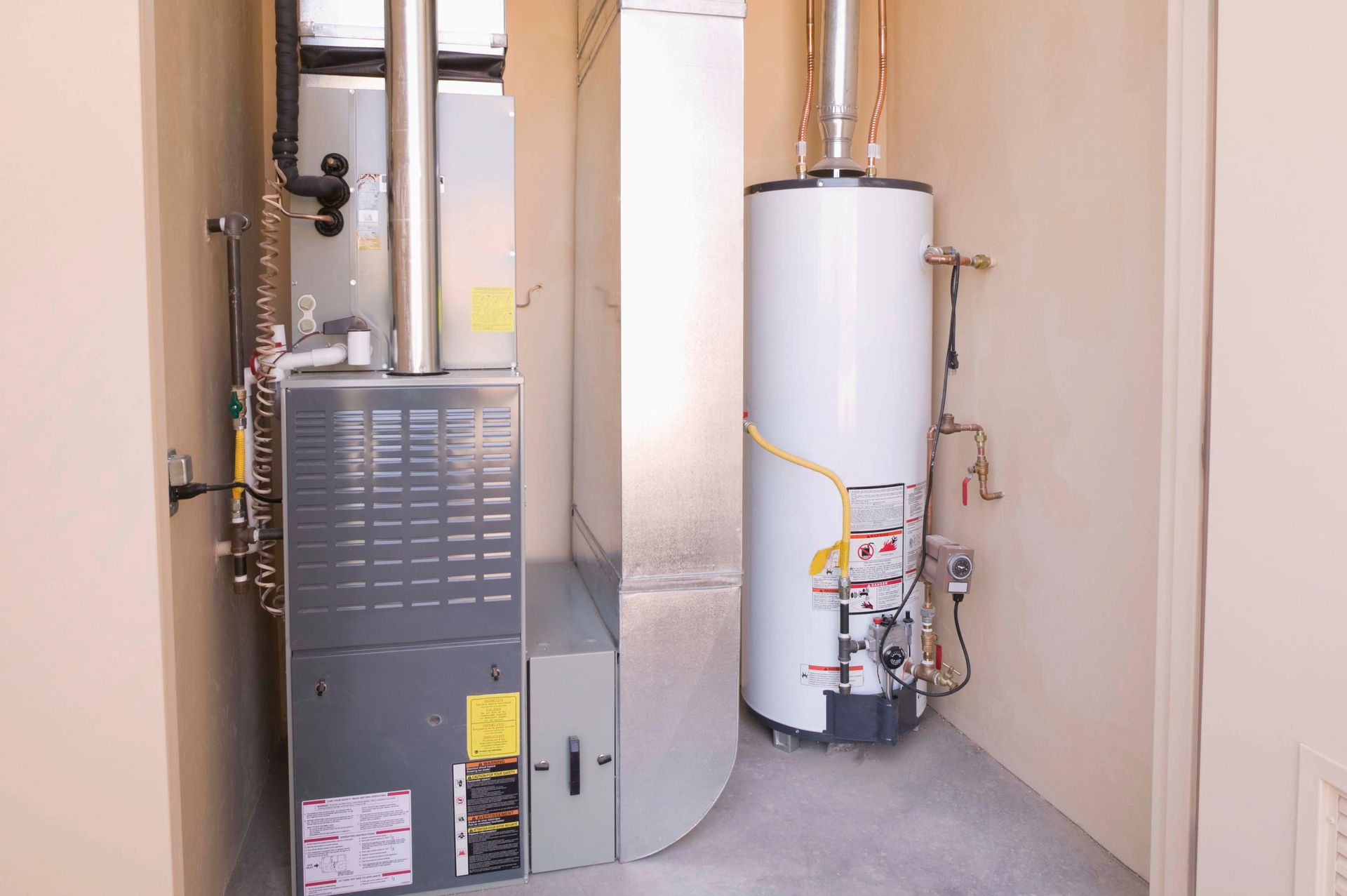
Commercial buildings rely heavily on hot water for daily operations. A malfunctioning water heater can disrupt everything from sanitation to food service.
How to Fix It
- Inspect thermostats and heating elements
- Flush the tank to remove sediment buildup
- Check for leaks or corrosion
- Replace outdated units when necessary
Prevention Tip
Schedule annual maintenance for all commercial water heaters.
____________________
6. Sewer Line Backups
The Problem
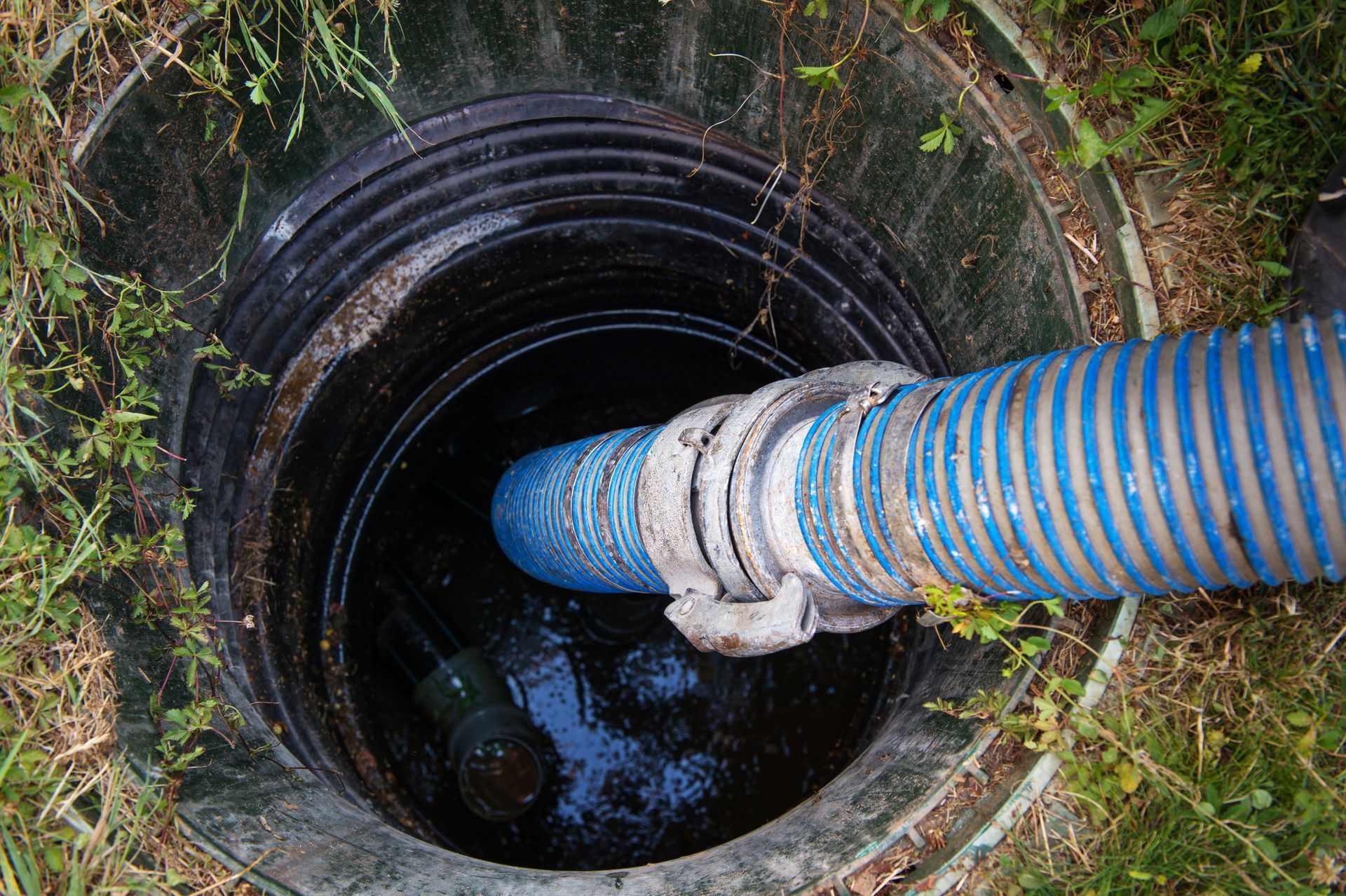
Sewer backups are serious issues that can lead to unpleasant odors, health hazards, and major downtime.
Common Causes
- Tree root intrusion
- Grease buildup
- Foreign objects flushed into the system
How to Fix It
- Use hydro jetting to clear blockages
- Conduct camera inspections to locate damage
- Repair or replace damaged sewer lines
Prevention Tip
Educate staff on proper waste disposal and avoid flushing non-degradable items.
____________________
7. Burst Pipes
The Problem
Burst pipes can cause extensive water damage and disrupt business operations instantly.
Common Causes
- Freezing temperatures
- High water pressure
- Aging pipes
How to Fix It
- Shut off the main water supply immediately
- Repair or replace the damaged section
- Dry and restore affected areas quickly
Prevention Tip
Insulate pipes and monitor water pressure regularly.
____________________
8. Backflow Issues
The Problem
Backflow occurs when contaminated water flows backward into the clean water supply, posing serious health risks.
How to Fix It
- Install backflow prevention devices
- Test and maintain these devices regularly
- Hire certified professionals for inspections
Prevention Tip
Stay compliant with local regulations requiring annual backflow testing.
____________________
9. High Water Bills
The Problem
Unexpected spikes in water bills often indicate hidden leaks or inefficient plumbing systems.
How to Fix It
- Conduct a full plumbing inspection
- Install water-efficient fixtures
- Monitor usage with smart water meters
Prevention Tip
Track water usage trends monthly to detect anomalies early.
____________________
Final Thoughts
Commercial plumbing systems face much heavier use than residential ones, making proactive maintenance essential. By identifying common problems early and addressing them quickly, you can prevent costly repairs, reduce downtime, and maintain a safe, efficient environment.
Key Takeaways:
- Regular inspections and maintenance are critical
- Small issues can quickly escalate into major problems
- Investing in quality fixtures and professional services pays off long-term
____________________
While some minor issues can be handled in-house, most commercial plumbing problems require experienced professionals. Partnering with a reliable plumbing service ensures your building stays compliant, efficient, and problem-free.
Contact the A&P Plumbing and Sewer team at (630) 406-5767 to get you on the schedule and we'll handle the rest!