Save $100 on
Hydro Jetting
Experience powerful drain cleaning with our hydro jetting service. Clear even the toughest clogs and save $100 on this effective solution.
Call A&P Plumbing and Sewer today to schedule your discounted hydro jetting service!
Not valid with any other offers or promotions. Restrictions apply. Must mention this coupon at the time of scheduling.
(630) 332-0807
Save $100 on
Hydro Jetting
Experience powerful drain cleaning with our hydro jetting service. Clear even the toughest clogs and save $100 on this effective solution.
Call A&P Plumbing and Sewer today to schedule your discounted hydro jetting service!
Not valid with any other offers or promotions. Restrictions apply. Must mention this coupon at the time of scheduling.
(630) 332-0807
$25 Off Hourly Rodding Services
Get your drains flowing freely with our professional rodding service. Save $25 per hour and say goodbye to stubborn clogs.
Contact A&P Plumbing and Sewer now to take advantage of this rodding service discount!
Not valid with any other offers or promotions. Restrictions apply. Must mention this coupon at the time of scheduling.
(630) 332-0807
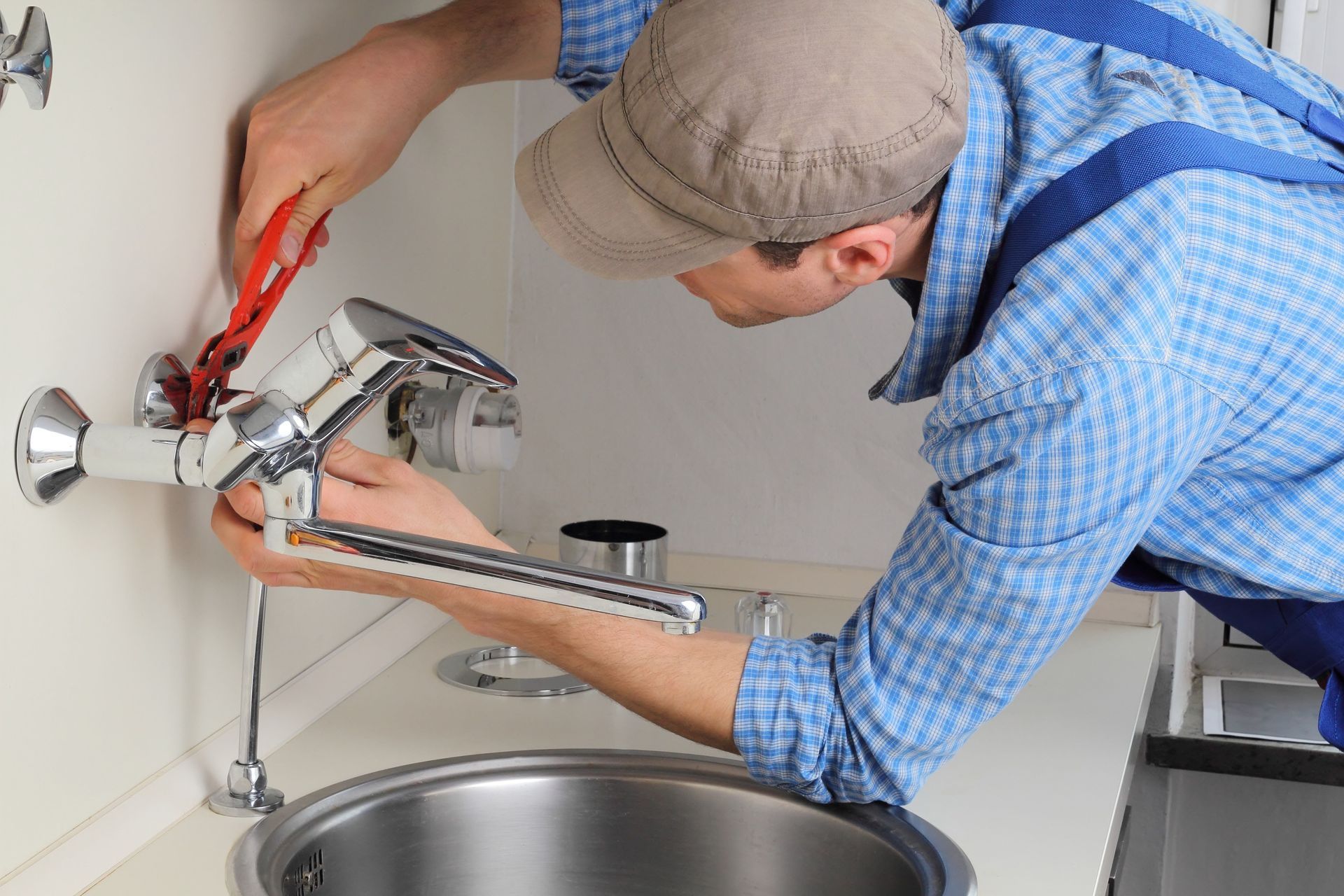
Discover why weak water pressure occurs and how hiring a plumbing contractor can fix pipe leaks, remove mineral scale, and restore full flow.
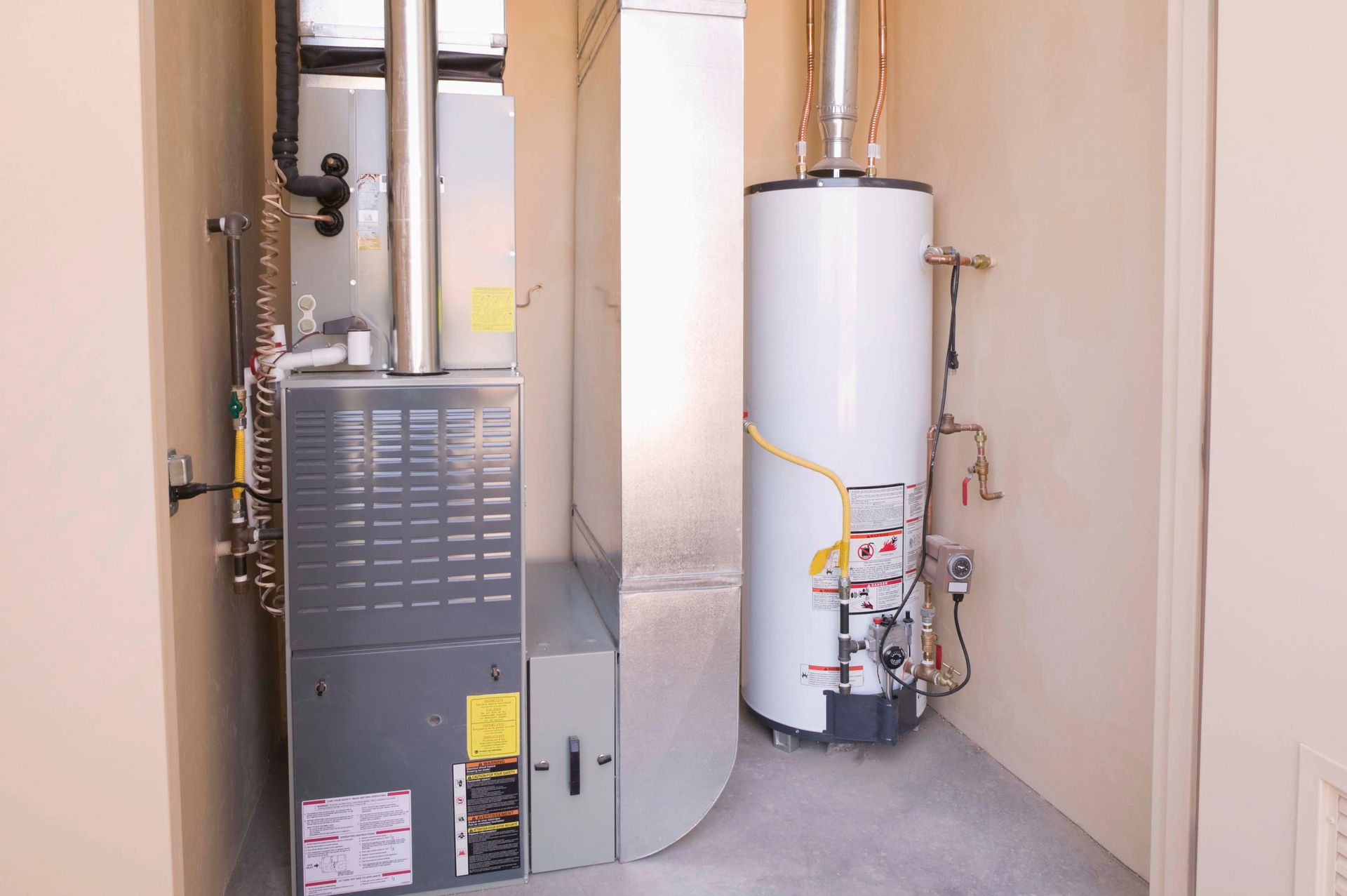
Is your water heater on its last legs? Discover whether to repair or replace it and how a skilled plumbing contractor saves you money.
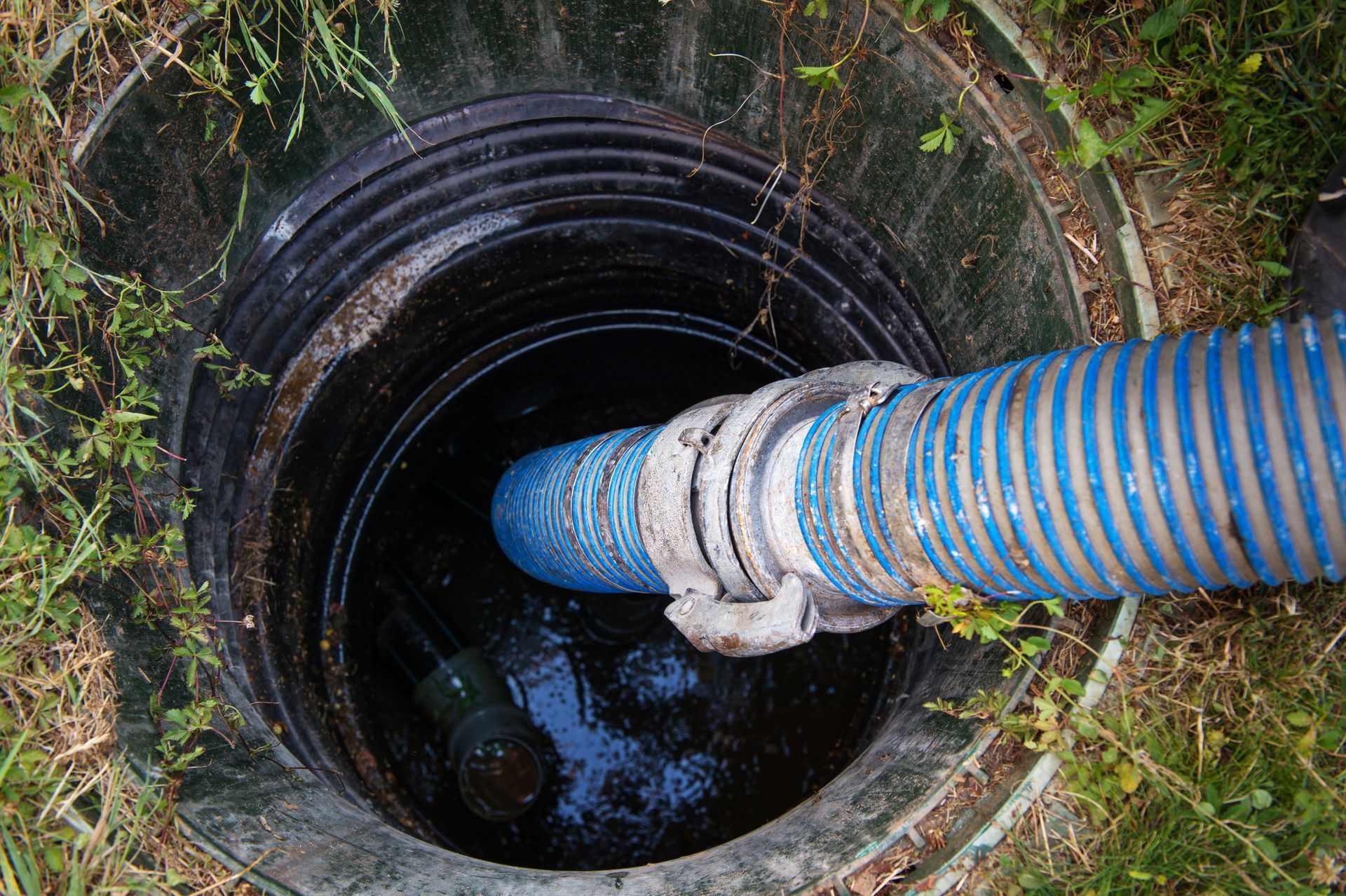
Learn how drain hydro jetting removes stubborn buildup, restores water flow, prevents recurring clogs, and reduces the need for harsh chemicals.
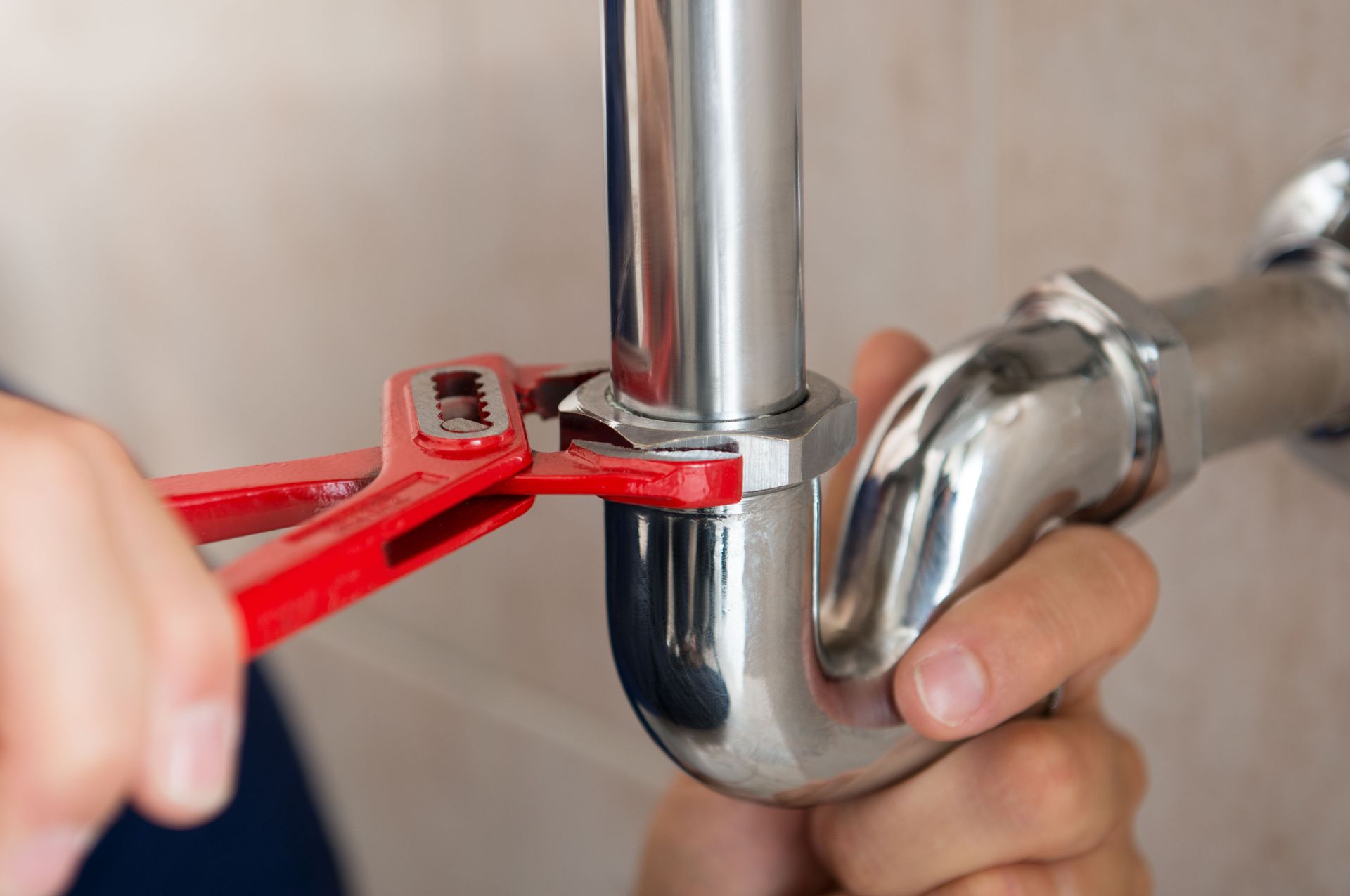
Are you wondering how a drain cleaning plumber keeps your pipes clear? Here are some of the top things that you need to know.
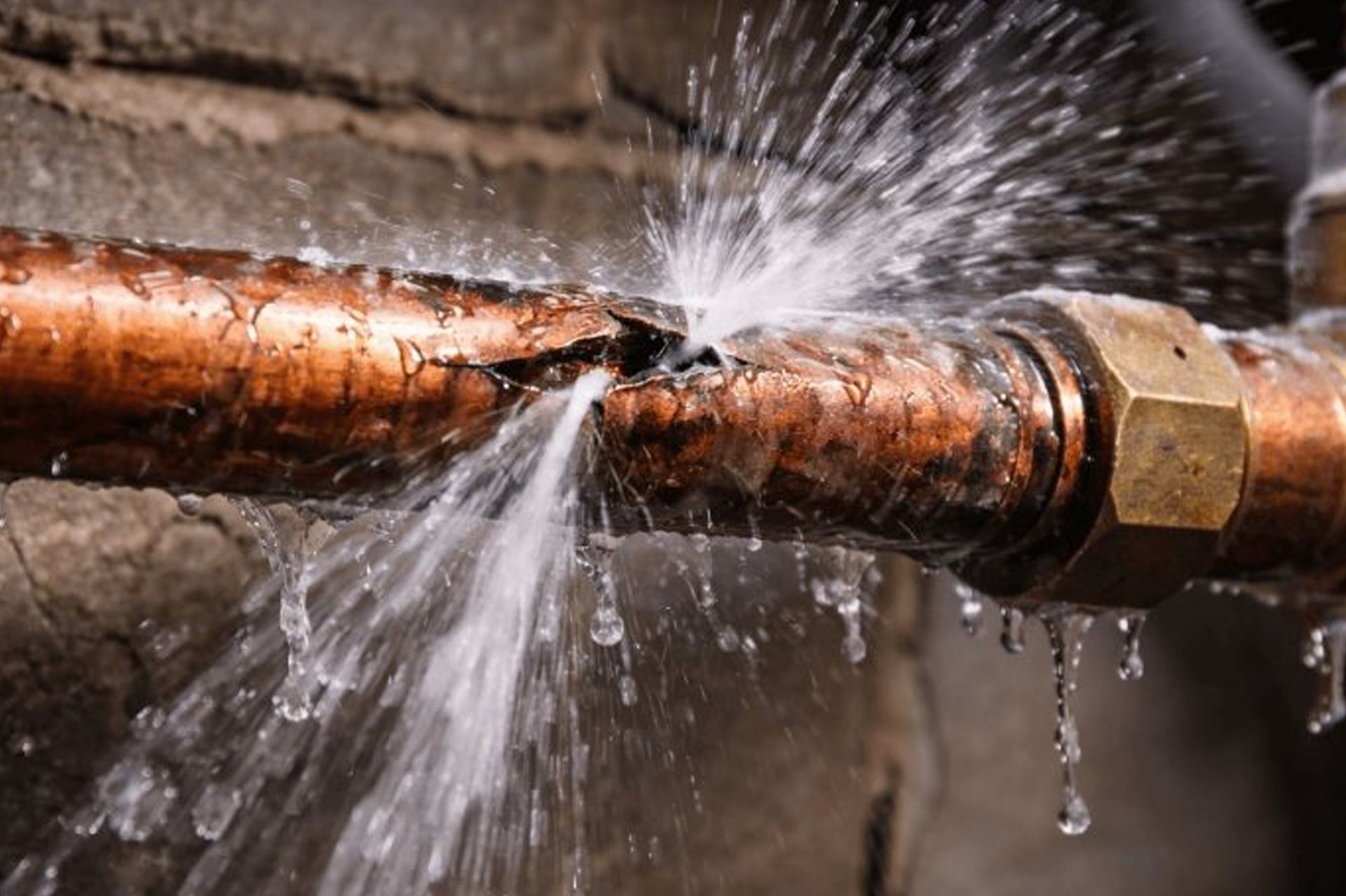
Plumbing and sewer problems rarely happen at a convenient time. A drain backup during dinner service, a burst pipe overnight, or a sewer line issue during peak business hours can quickly disrupt operations, damage property, and impact your bottom line. That's why having access to 24/7 commercial emergency plumbing and sewer service is critical for businesses of all sizes. At A&P Plumbing and Sewer, we understand that plumbing emergencies don't follow a schedule. Fast response and professional service can make the difference between a minor inconvenience and a major financial loss. ____________________ Plumbing Emergencies Can Shut Down Operations For many businesses, functioning plumbing and sewer systems are essential to daily operations. Restaurants need working sinks and drains. Office buildings require operational restrooms. Industrial facilities depend on reliable water and sewer infrastructure. When a plumbing emergency occurs, businesses may be forced to: Close temporarily Delay services Turn away customers Halt production Relocate employees or tenants Every hour of downtime can mean lost revenue and frustrated customers. Immediate access to emergency plumbing professionals helps minimize disruptions and get operations back on track quickly. ____________________ Prevent Costly Property Damage Water can cause significant damage in a very short amount of time. A burst pipe, overflowing drain, or sewer backup can affect flooring, walls, equipment, inventory, and furnishings. The longer a plumbing issue goes unaddressed, the greater the risk of: Structural damage Mold growth Damaged inventory Electrical hazards Expensive restoration costs A 24/7 emergency plumbing service provider can respond quickly to stop the problem before it causes extensive damage. ____________________ Protect Employee and Customer Safety Plumbing and sewer issues can create serious health and safety concerns. Standing water increases the risk of slips and falls, while sewer backups can expose employees and customers to harmful bacteria and contaminants. Businesses have a responsibility to provide a safe environment for everyone on their property. Fast emergency response helps reduce safety risks and restore normal conditions as quickly as possible. ____________________ Maintain Health and Regulatory Compliance Many industries must meet strict health and sanitation requirements. Restaurants, healthcare facilities, schools, and food processing operations can face violations or closures if plumbing and sewer systems are not functioning properly. Common issues that may trigger compliance concerns include: Sewer backups Overflowing drains Inoperable restrooms Water supply interruptions Grease-related plumbing failures Having access to 24/7 emergency service helps businesses address issues immediately and maintain compliance with local regulations. ____________________ Emergencies Don't Wait For Business Hours Plumbing emergencies can happen at any time: Overnight Weekends Holidays During severe weather During peak operating hours Waiting until the next business day can significantly increase repair costs and downtime. A reliable emergency plumbing and sewer provider ensures help is available whenever problems arise. ____________________ Quick Response Can Reduce Repair Costs Many plumbing emergencies start as small issues that escalate rapidly. What begins as a minor leak can become significant water damage. A slow drain can develop into a major sewer backup. Prompt response often means: Smaller repair bills Less property damage Reduced cleanup costs Shorter business interruptions Faster restoration of operations Investing in emergency plumbing support can ultimately save businesses thousands of dollars. ____________________ Industries That Benefit Most from 24/7 Emergency Service While every business can benefit from emergency plumbing support, some industries face especially high risks when plumbing systems fail: Restaurants and Food Service Facilities Drain clogs, grease buildup, sewer backups, and plumbing failures can quickly impact food preparation and customer service. Property Management Companies Apartment complexes, office buildings, and multi-tenant facilities require immediate attention when plumbing emergencies affect residents or tenants. Retail Businesses Water damage and restroom closures can disrupt customer experiences and impact sales. Healthcare Facilities Hospitals, clinics, and care facilities depend on reliable plumbing systems to maintain safe and sanitary environments. Industrial and Manufacturing Facilities Water and sewer interruptions can halt production and create safety concerns for employees. ____________________ Partner with a Trusted Emergency Plumbing Provider The best time to find an emergency plumbing contractor is before an emergency happens. Establishing a relationship with a trusted commercial plumbing and sewer company ensures you know who to call when urgent situations arise. A dependable emergency service provider should offer: 24/7 availability Rapid response times Experienced commercial technicians Advanced diagnostic equipment Comprehensive plumbing and sewer solutions Preventative maintenance programs ____________________ Trust A&P Plumbing and Sewer When Emergencies Happen At A&P Plumbing and Sewer, we know that every minute counts during a plumbing emergency. Our team provides 24/7 commercial emergency plumbing and sewer services throughout the Chicagoland area, helping businesses minimize downtime, protect their property, and restore operations quickly. Whether you're dealing with a sewer backup, burst pipe, clogged drain, water line issue, or another urgent plumbing problem, we're ready to respond when you need us most. Don't wait for a plumbing emergency to become a costly disaster. Contact A&P Plumbing and Sewer for fast, reliable commercial emergency service—24 hours a day, 7 days a week.
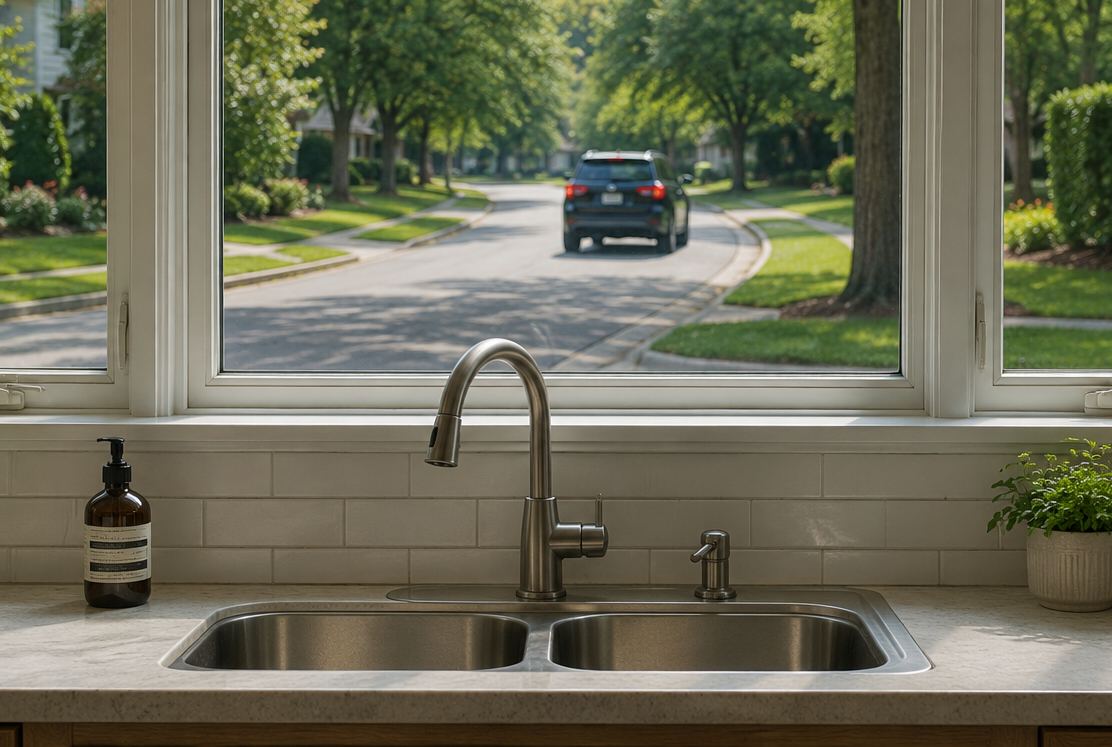
Planning a vacation or leaving your property vacant for an extended period should be stress-free. The last thing any homeowner or business owner wants is to return to water damage, sewer backups, or expensive plumbing repairs. The good news? With a few simple preventative steps, you can protect your plumbing system, avoid emergencies, and save money while you’re away. ____________________ Shut Off the Main Water Supply One of the most effective ways to prevent plumbing disasters is to turn off the main water valve before leaving. If a pipe bursts or a fitting fails while you’re gone, water can continue flowing for days — causing severe structural damage and mold growth. If completely shutting off water isn’t possible (for example, sprinkler systems or certain commercial operations), consider shutting off water to individual fixtures or zones. ____________________ Protect Pipes from Freezing Cold temperatures can cause pipes to freeze and burst, especially in basements, crawl spaces, and exterior walls. Before leaving: Set your thermostat no lower than 55°F (13°C) Insulate exposed pipes Seal drafts near plumbing lines Open cabinet doors under sinks to allow warm air circulation Frozen pipes are one of the most common causes of major water damage during winter travel. ____________________ Avoid Drain and Sewer Odors Unused drains can dry out, allowing sewer gases to enter your home or building. To prevent this: Run water in all sinks, tubs, and floor drains Pour a small amount of cooking oil into rarely used drains to slow evaporation Ensure grease traps and septic systems are recently serviced These simple steps help maintain proper trap seals and keep unpleasant odors away. ____________________ Schedule Preventative Plumbing Maintenance Before leaving for an extended trip, it’s smart to schedule a professional plumbing inspection. Routine maintenance services may include: Drain cleaning or hydro jetting Sewer camera inspections Leak detection checks Grease trap pumping Septic tank level inspection Preventative maintenance can identify hidden issues before they become costly emergencies while you’re away. ____________________ Install Smart Leak Detection Devices Modern smart leak detectors can alert you instantly if water is detected where it shouldn’t be. Some systems even automatically shut off your water supply to prevent flooding. This technology provides peace of mind — especially for vacation homes, commercial properties, or seasonal businesses. ____________________ Protect Outdoor Plumbing and Sewer Lines Don’t forget exterior plumbing components. Before leaving: Disconnect garden hoses Shut off outdoor spigots Ensure sump pumps are operational Confirm sewer cleanouts are secure Trim tree roots near sewer lines if needed Outdoor plumbing failures can cause hidden damage that worsens over time. ____________________ Ask Someone to Check Your Property If possible, have a trusted neighbor, employee, or property manager periodically check: Water leaks or pooling Unusual odors Slow drains or backups Changes in water pressure Sounds from pumps or plumbing fixtures Early detection can prevent major repairs and downtime. ____________________ Why Taking Preventative Steps Saves You Money Protecting your plumbing system while away helps you: Avoid emergency repair costs Prevent property and structural damage Reduce mold remediation expenses Maintain business operations Extend the lifespan of pipes and sewer systems Lower insurance risks and claims A little preparation before leaving can save thousands in unexpected plumbing and sewer repairs. ____________________ Time To Relax... Vacations and extended travel should be relaxing — not filled with worry about what might go wrong at your property. By taking proactive steps and scheduling preventative plumbing maintenance, you can leave with confidence knowing your system is protected. Contact A&P Plumbing and Sewer for fast, reliable commercial emergency service—24 hours a day, 7 days a week.
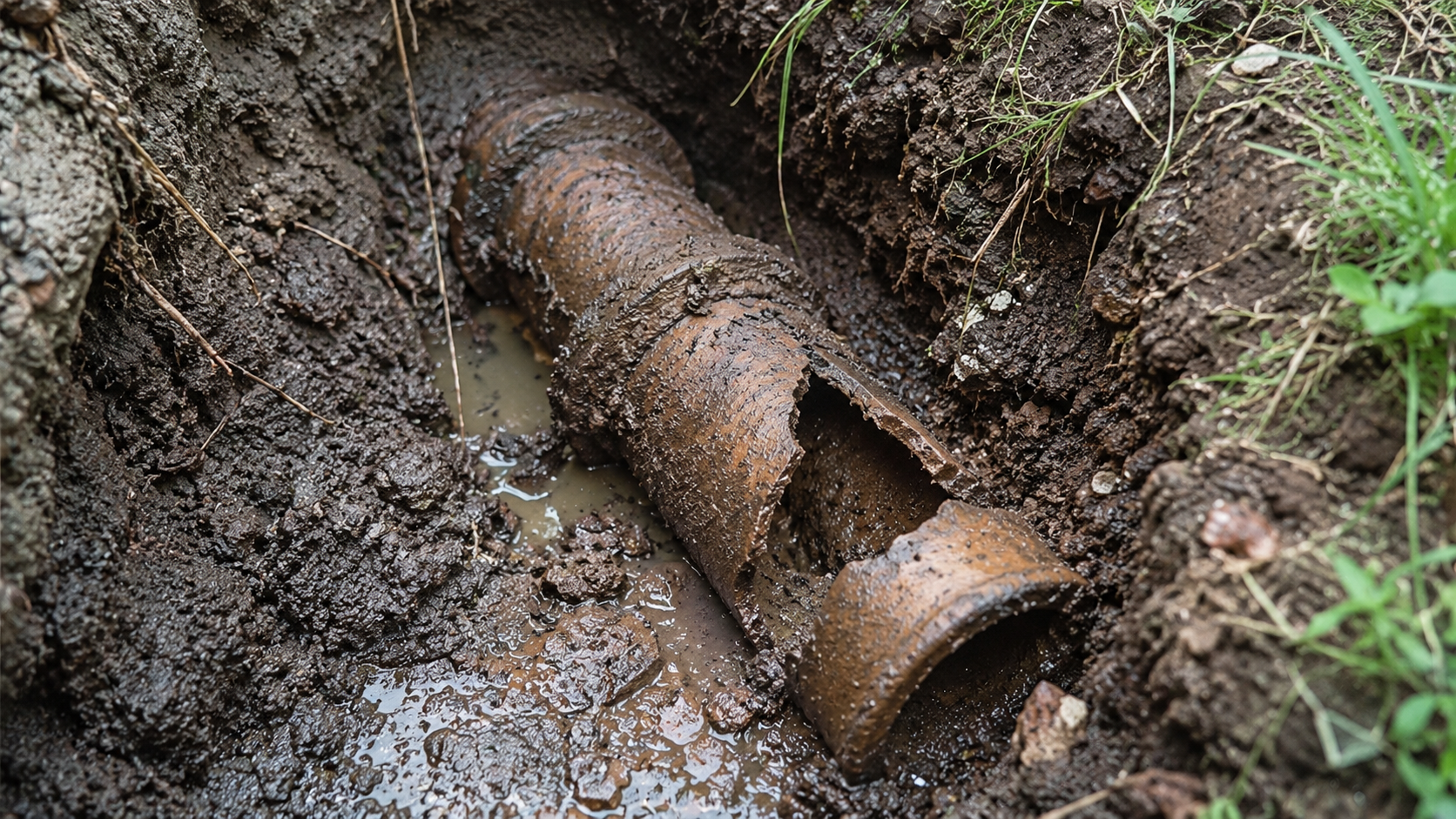
Hearing that you need sewer line repair can instantly cause stress for homeowners and business owners alike. Concerns about costs, property damage, downtime, and unexpected emergencies often make the situation feel overwhelming. However, with the right knowledge and professional guidance, sewer repairs can be handled efficiently — often with less disruption and expense than you might expect. Let’s break down what you need to know and how to make sewer line repair far less intimidating. ____________________ Common Signs You May Need Sewer Line Repair Sewer line problems usually don’t happen overnight. Many systems show warning signs before a major failure occurs. Watch for these red flags: Frequent drain backups or slow drains Gurgling noises from toilets or sinks Sewage odors inside or outside your property Wet spots or unusually green grass in the yard Multiple plumbing fixtures clogging at once Foundation cracks or sinkholes Ignoring these symptoms can lead to severe property damage and costly emergency repairs. ____________________ What Causes Sewer Line Damage? Understanding the root cause helps reduce fear and allows property owners to make informed decisions. Common causes include: Tree root intrusion Aging or corroded pipes Ground shifting or soil settlement Grease buildup and debris blockages Collapsed or cracked sewer lines Heavy equipment or traffic above buried lines Many of these issues develop gradually, which is why preventative maintenance plays a critical role. ____________________ Modern Sewer Inspections Remove the Guesswork Today’s sewer professionals use camera inspection technology to accurately diagnose problems without unnecessary digging. This process allows technicians to: Identify exact blockage locations Assess pipe condition and structural damage Detect root intrusion or buildup Determine whether repair or cleaning is needed Provide clear repair recommendations Accurate diagnosis helps reduce both repair time and overall costs. ____________________ Sewer Repair Options May Be Less Disruptive Than You Think Many property owners fear that sewer repair means tearing up landscaping, parking lots, or floors. While traditional excavation is sometimes necessary, modern solutions can minimize disruption. Possible repair methods include: Spot repairs for isolated pipe damage Trenchless pipe lining Pipe bursting replacement methods Hydro jetting to clear severe blockages Root removal treatments These options can often restore sewer function faster and more affordably than full pipe replacement. ____________________ Preventative Maintenance Can Reduce Repair Costs Routine sewer maintenance helps catch issues early before they turn into major failures. Recommended preventative services may include: Scheduled sewer jetting Grease trap cleaning for commercial kitchens Root intrusion treatments Drain cleaning programs Periodic camera inspections Septic system pumping and inspections Proactive maintenance helps extend system life and significantly lowers the risk of emergency repairs. ____________________ Sewer Repairs and Business Operations For restaurants, retail stores, and commercial facilities, sewer issues can lead to: Temporary closures Health code violations Customer dissatisfaction Lost revenue Expensive cleanup and restoration Planning preventative maintenance and addressing repairs quickly can help keep operations running smoothly and protect your reputation. ____________________ Protect Your Property with Timely Sewer Line Repairs Sewer line repair may sound intimidating, but understanding the process makes it far more manageable. With proper inspections, modern repair techniques, and preventative maintenance planning, property owners can reduce stress, control costs, and avoid major disruptions. If you suspect a sewer problem, acting early is the smartest and most cost-effective decision you can make. Contact A&P Plumbing and Sewer for fast, reliable commercial emergency service—24 hours a day, 7 days a week.
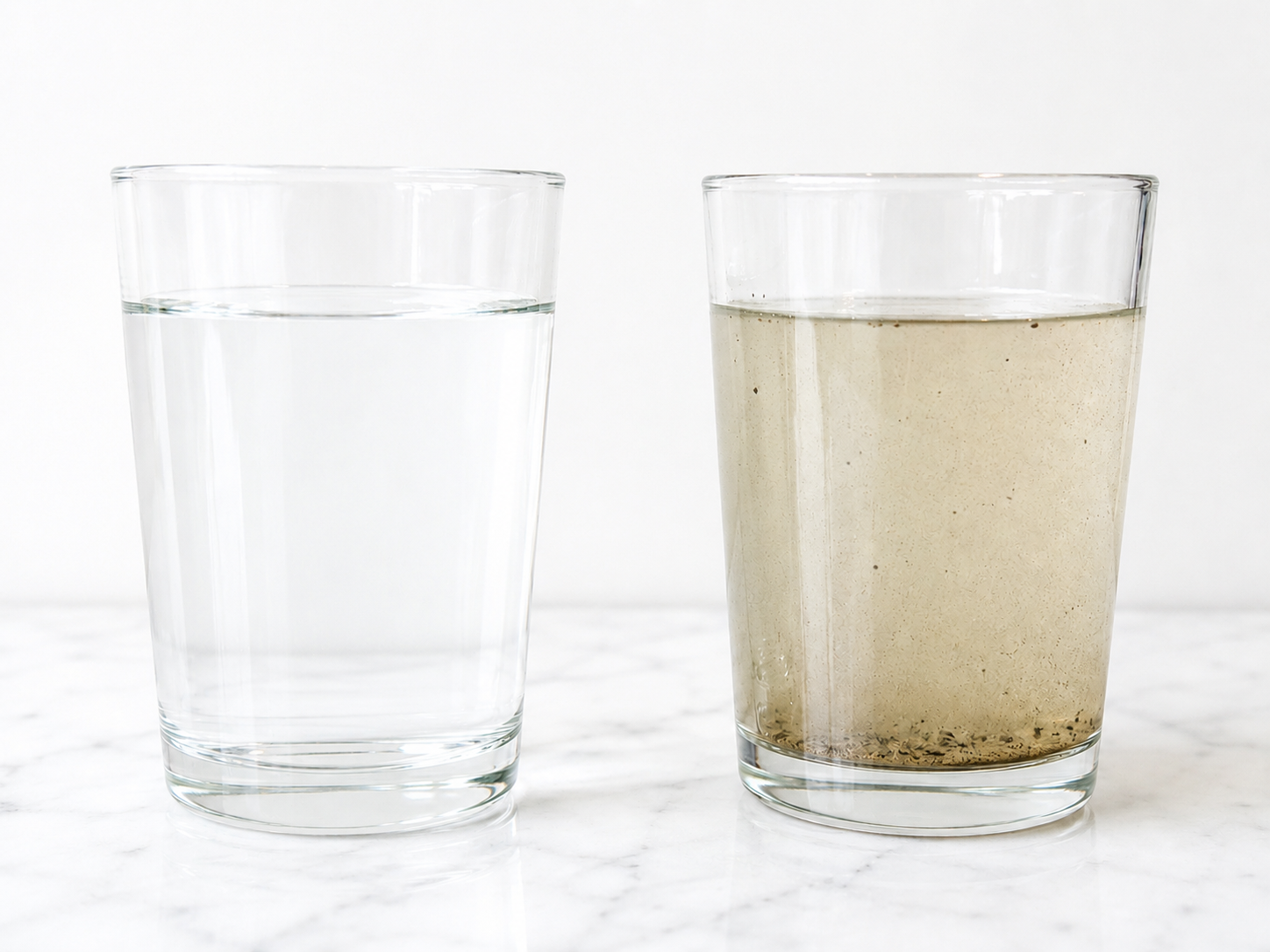
Clean, safe water is something most property owners take for granted — until a plumbing issue threatens the supply. One of the most important devices protecting your drinking water system is a backflow preventer. Whether you own a home, restaurant, commercial building, or industrial facility, understanding how backflow prevention works can help you protect health, avoid costly repairs, and stay compliant with local regulations. ____________________ What is a Backflow Preventer? A backflow preventer is a plumbing safety device designed to stop contaminated water from flowing backward into your clean water supply. Normally, water flows in one direction — from the municipal supply into your building. However, pressure changes caused by main breaks, heavy water usage, or equipment failures can create reverse flow. When this happens, polluted water from sources like irrigation systems, boilers, grease traps, or industrial equipment can enter potable water lines. A backflow preventer automatically closes or redirects flow to prevent contamination. ____________________ What Causes Backflow? Backflow typically occurs due to two main conditions: Backpressure This happens when the pressure inside your building’s plumbing becomes higher than the municipal supply. It can occur from: Pumps or boilers increasing internal pressure Elevated tanks or commercial equipment Thermal expansion in water heaters Backsiphonage This occurs when supply pressure suddenly drops, creating a vacuum effect that pulls water backward. Common causes include: Water main breaks Fire hydrant usage High municipal demand System maintenance or shutdowns Both situations can introduce harmful contaminants into drinking water. ____________________ Why Backflow Prevention Is So Important Without proper protection, backflow can lead to serious consequences, including: Drinking water contamination Health risks from bacteria or chemicals Foul odors and discoloration Plumbing system damage Expensive emergency repairs Potential fines or code violations Backflow prevention isn’t just about plumbing — it’s about public health and safety. ____________________ Who Needs a Backflow Preventor? Many properties are required by local plumbing codes to install and maintain backflow prevention devices. Common examples include: Restaurants and commercial kitchens Apartment complexes and condominiums Office buildings and retail centers Manufacturing facilities Irrigation and sprinkler systems Properties with fire suppression systems Homes with private wells or auxiliary water sources Routine testing is often required annually to ensure proper operation. ____________________ Types of Backflow Preventers There are several types of devices used depending on the level of hazard: Double Check Valve Assemblies (DCVA) Reduced Pressure Zone Devices (RPZ) Pressure Vacuum Breakers (PVB) Atmospheric Vacuum Breakers (AVB) A licensed professional can determine which system best fits your property’s needs. ____________________ Importance of Backflow Testing & Maintenance Backflow preventers contain moving parts that can wear out over time. Regular inspection and testing help ensure: Reliable operation during pressure changes Compliance with local regulations Early detection of leaks or valve failure Extended equipment lifespan Reduced risk of emergency contamination events Preventative maintenance can save significant money compared to replacing damaged plumbing or addressing water quality issues. ____________________ How Backflow Prevention Saves You Money Installing and maintaining a backflow preventer can help you: Avoid costly contamination cleanup Prevent plumbing system damage Reduce liability and health risks Stay compliant with municipal requirements Protect property value Prevent business downtime It’s a small investment that delivers major protection. ____________________ Final Thoughts Backflow preventers are one of the most critical — yet often overlooked — components of a safe plumbing system. By understanding how they work and keeping them properly tested and maintained, property owners can protect their water supply, reduce risk, and maintain peace of mind. If you suspect a problem with your backflow device or need testing services, scheduling a professional inspection is the best first step. Contact A&P Plumbing and Sewer for fast, reliable commercial emergency service—24 hours a day, 7 days a week.
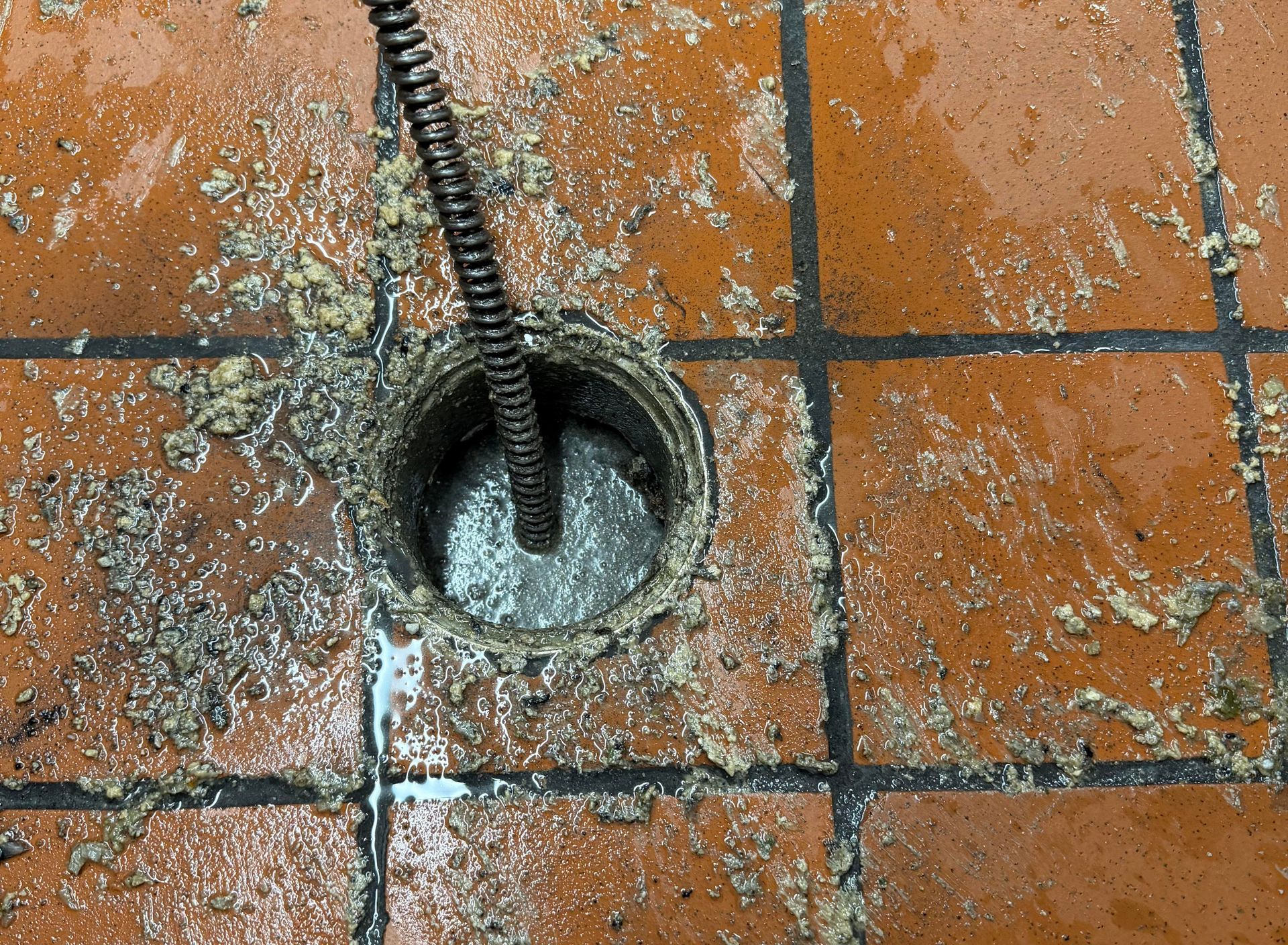
Drain problems don’t usually start with a major clog—they build up slowly over time. Whether you’re a homeowner or managing a commercial property, regular drain cleaning is one of the most important (and often overlooked) parts of plumbing maintenance. Ignoring your drains can lead to costly repairs, unpleasant odors, and even health hazards. In this guide, we’ll explain why routine drain cleaning is essential and how it protects your property long-term. ____________________ What Is Drain Cleaning? Drain cleaning is the process of removing buildup, debris, and blockages from your plumbing system. This can include: Grease and food particles Soap scum and hair Mineral deposits Dirt and debris Tree roots (in sewer lines) Professional methods like snaking and hydro jetting ensure your pipes are thoroughly cleared and functioning efficiently. ____________________ Top Reasons Regular Drain Cleaning Matters 1. Prevents Costly Plumbing Emergencies Small clogs can quickly turn into major blockages if left untreated. Over time, buildup restricts water flow and increases pressure inside your pipes. Result: Burst pipes, backups, or flooding—leading to expensive repairs. Routine cleaning helps you catch and fix minor issues before they become major problems. 2. Improves Drain Efficiency Slow drains are a clear sign of buildup inside your pipes. Regular cleaning removes these obstructions, allowing water to flow freely. Benefits include: Faster drainage Fewer backups Better overall plumbing performance 3. Eliminates Unpleasant Odors Organic material trapped in your drains can decompose and produce foul smells. Common odor sources: Food waste in kitchen drains Grease buildup Bacteria and mold growth Drain cleaning removes the source of the smell—not just masks it. 4. Extends the Life of Your Plumbing System Buildup and corrosion can weaken your pipes over time. Regular maintenance reduces strain and prevents long-term damage. This means: Fewer repairs Longer-lasting pipes Lower maintenance costs over time 5. Protects Health and Hygiene Dirty drains can harbor harmful bacteria, mold, and pests. In commercial settings like restaurants or offices, this can pose serious health risks. Routine cleaning helps: Maintain sanitary conditions Prevent contamination Ensure compliance with health regulations 6. Reduces the Risk of Sewer Backups Clogged drains can lead to sewer line backups—one of the most serious plumbing issues. Consequences include: Property damage Health hazards Business downtime Regular drain cleaning minimizes this risk by keeping your system clear. 7. Saves Money in the Long Run While some property owners delay maintenance to save money, the reality is the opposite. Preventative drain cleaning: Reduces emergency service calls Prevents major repairs Improves system efficiency ____________________ How Often Should You Clean Your Drains? The ideal schedule depends on usage: For Homes: Every 1–2 years for preventative maintenance More often for large households or older plumbing For Businesses: Every 6–12 months Every 3–6 months for high-use industries like restaurants ____________________ Signs You Need Drain Cleaning Now Don’t wait for a complete blockage—watch for these warning signs: Slow draining sinks or tubs Frequent clogs Gurgling sounds in pipes Foul odors Water backing up ____________________ Professional vs. DIY Drain Cleaning While store-bought cleaners may offer temporary relief, they often contain harsh chemicals that can damage pipes over time. ____________________ Professional drain cleaning offers: Long-lasting results Safe and effective methods Thorough pipe cleaning ____________________ Final Thoughts Regular drain cleaning isn’t just maintenance—it’s an investment in your property’s health, safety, and efficiency. Whether you own a home or operate a business, staying proactive with your plumbing system can prevent major headaches down the road. Key Takeaways Preventative maintenance saves money and stress Clean drains improve efficiency and eliminate odors Routine service extends the lifespan of your plumbing Professional cleaning delivers the best results If you’re experiencing slow drains or recurring clogs, it may be time for a professional cleaning. Don’t wait until a small issue turns into a major problem. Contact the A&P Plumbing and Sewer team to get on our schedule and we'll handle the rest!
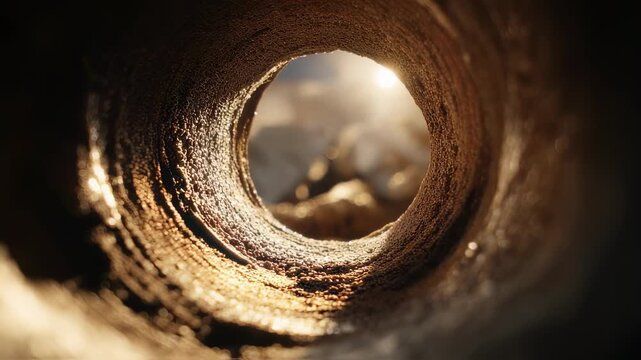
Hydro jetting is one of the most powerful and effective methods for cleaning sewer lines—but if you have an older plumbing system, you may be wondering: Is hydro jetting safe for aging pipes? The short answer is: it depends on the condition of your pipes . In this guide, we’ll break down when hydro jetting is safe, when it’s risky, and what steps you should take before scheduling this service. ____________________ What Is Hydro Jetting? Hydro jetting is a professional plumbing technique that uses high-pressure water (up to 4,000 PSI) to thoroughly clean the inside of pipes. It removes: Grease buildup Mineral deposits Sludge and debris Tree roots Soap residue Unlike traditional drain snaking, hydro jetting cleans the entire pipe wall—not just the blockage. ____________________ Are Older Pipes at Risk? Older pipes can be more vulnerable to damage due to years of wear and tear. Common issues include: Corrosion (especially in galvanized steel pipes) Cracks or fractures Loose joints Thinning pipe walls Previous repairs or patchwork Because hydro jetting uses intense water pressure, these weaknesses can sometimes worsen if not properly assessed. ____________________ When Hydro Jetting May NOT Be Safe? Hydro jetting may not be recommended if your pipes have: Significant corrosion or rust damage Existing cracks or leaks Collapsed or misaligned sections Extremely brittle materials In these cases, the high-pressure water could worsen the damage or even cause pipe failure. ____________________ The Importance of a Camera Inspection Before performing hydro jetting on older pipes, a professional plumber should conduct a video camera inspection . This step is critical because it: Identifies structural weaknesses Locates blockages and buildup Determines the safest cleaning method Prevents unnecessary damage Skipping this step increases the risk of costly repairs. ____________________ Alternative to Hydro Jetting for Older Pipes If hydro jetting isn’t safe for your system, there are other effective options: 1. Drain Snaking A mechanical auger breaks up clogs without using high pressure. 2. Enzymatic Cleaners These break down organic material more gently over time. 3. Pipe Repair or Replacement In severely damaged systems, upgrading pipes may be the best long-term solution. ____________________ Benefits of Hydro Jetting (When Safe) If your older pipes are in good condition, hydro jetting offers several advantages: Thorough cleaning of pipe walls Long-lasting results compared to snaking Removal of stubborn grease and scale Improved drainage and flow Reduced risk of future clogs ____________________ Final Verdict: Is Hydro Jetting Safe for Older Pipes? Yes—hydro jetting can be safe for older pipes, but only after a professional inspection confirms they can handle it. Attempting hydro jetting without evaluating pipe condition can lead to serious damage and expensive repairs. That’s why it’s essential to work with experienced professionals who can assess your system and adjust the process accordingly. Key Takeaways Hydro jetting is highly effective but uses powerful pressure Older pipes may be vulnerable if damaged or deteriorated A camera inspection is essential before cleaning Alternative methods are available for fragile systems Professional expertise ensures safety and effectiveness If you’re unsure whether hydro jetting is safe for your older pipes—or you’re dealing with slow drains or recurring clogs—it might be time for a professional cleaning. Address it early before a minor issue turns into a costly problem. Contact the A&P Plumbing and Sewer team at (630) 406-5767 to get you on the schedule and we'll handle the rest!