September 16, 2026
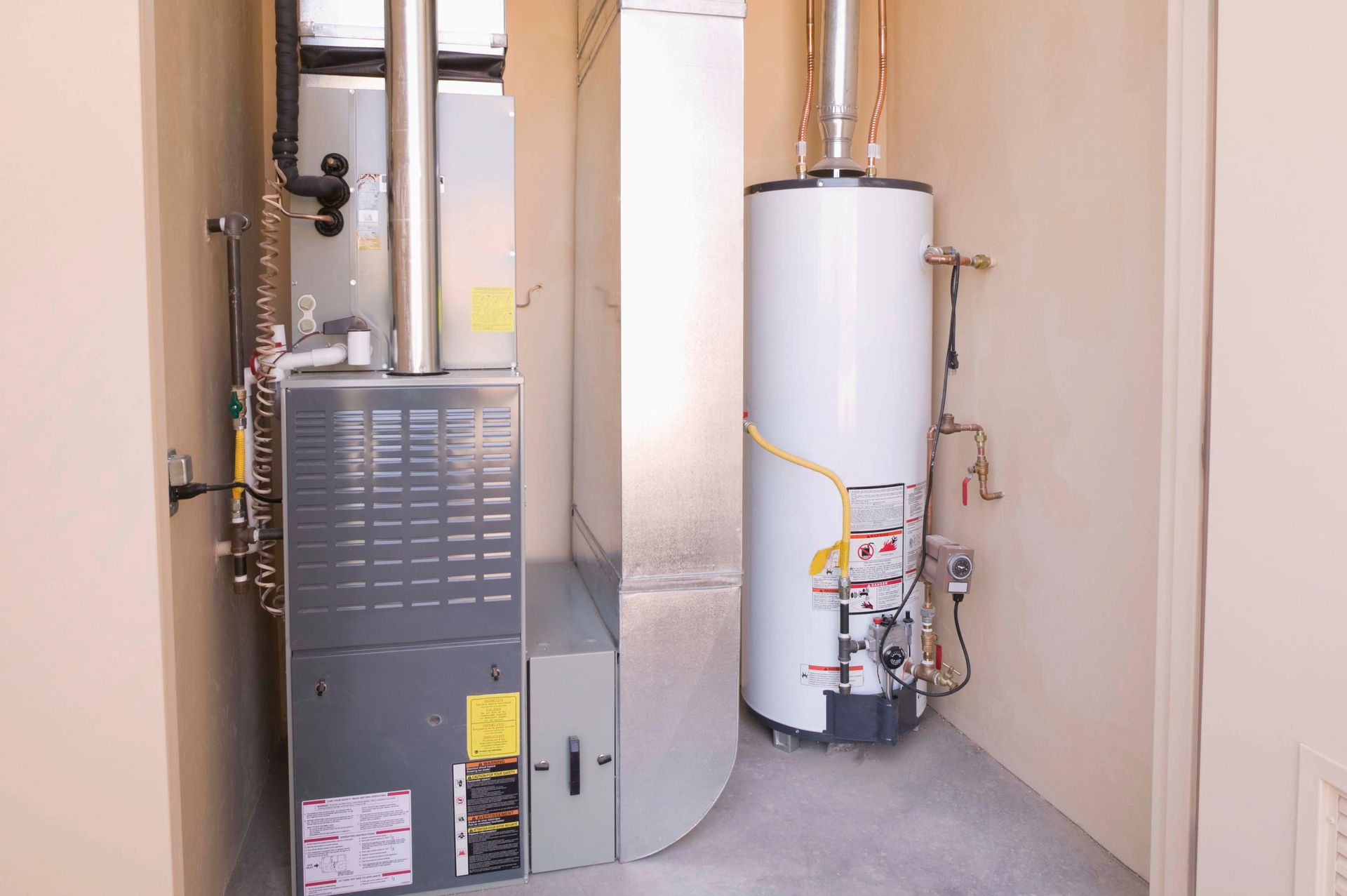
Water heaters play a crucial role by providing comfort and efficiency throughout our homes. Like all household appliances, these units experience regular wear and tear as time passes. Recognizing when a system requires maintenance or a complete swap is essential for keeping your residence warm and functional. Homeowners who stay proactive about system care avoid unexpected breakdowns and inconvenient cold showers. Proper attention preserves property integrity.
Knowing the longevity of heating systems and understanding common structural issues is vital for establishing a proactive maintenance routine. This guide helps identify the signals indicating whether to fix or replace your equipment. We explore various economic and environmental factors, along with the importance of expert guidance. Paying close attention to these details helps you make informed decisions. A reliable plumbing contractor can offer valuable assistance when navigating these choices.
1. Understanding the Average Lifespan
Conventional tank systems have a predictable functional life, which varies based on upkeep practices and regional water quality. Hard water containing high mineral concentration significantly reduces the longevity of any heating unit. Implementing a consistent maintenance routine, such as flushing the storage tank regularly, extends functional duration. Installing a water softening system mitigates adverse effects caused by heavy mineral deposits. Tankless units typically offer greater durability and excellent resistance to rust accumulation.
Several operational factors dictate the true longevity of heating systems, including daily usage patterns and initial installation quality. Heavy demand from a large household accelerates the degradation of internal heating components, leading to a decreased functional period. Professional installation guarantees the unit is properly configured for optimal performance. Different brands offer varying reliability, so consulting a skilled plumbing contractor helps you understand specific brand benefits. Reviewing warranty terms gauges the manufacturer's confidence.
2. Identifying the Repairable Issues
A leaking pressure relief valve represents a frequent complication encountered in residential water heating systems. This essential safety valve opens to release excess pressure from within the main storage tank, ensuring safe daily operation. If this component becomes faulty due to mineral accumulation or material deterioration, immediate replacement prevents structural damage. Regular testing stops unexpected leaks before they escalate into major emergencies. Ignoring a malfunctioning valve places excessive strain on the storage tank.
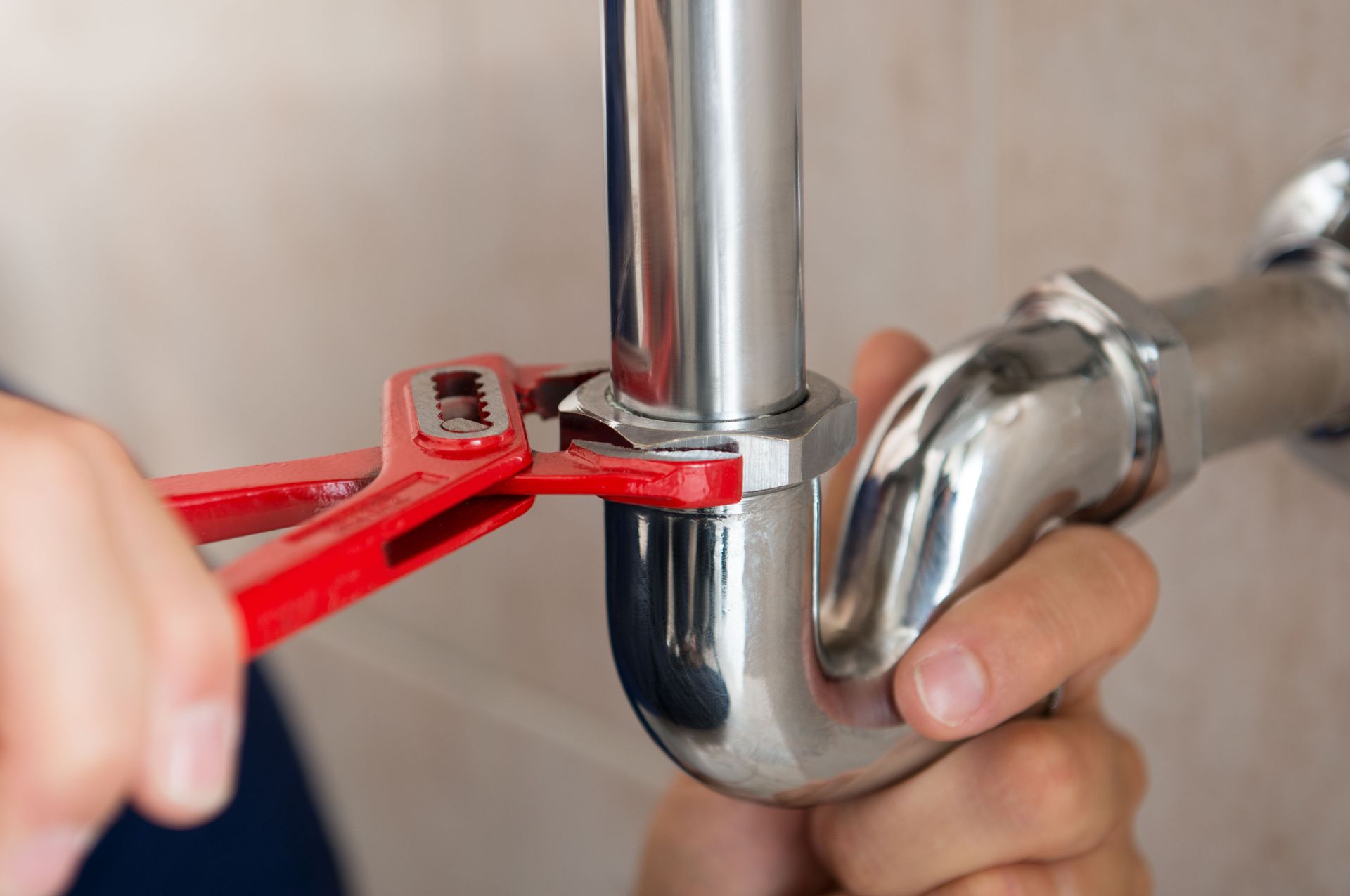
As heating systems age, loose mineral sediment naturally settles at the bottom of the tank, significantly reducing overall heating efficiency. Regularly flushing out this harmful debris helps manage severe sediment complications and prolongs the usefulness of the appliance. Pilot light disruptions and persistent thermostat malfunctions are other frequent complications causing equipment to stop functioning. When simple mechanical adjustments fail, a knowledgeable plumbing contractor can replace the faulty parts to restore consistent water temperatures.
3. Recognizing the Replacement Indicators
The overall age of your heating system stands out as a critical indicator of whether an immediate replacement is necessary. When an appliance approaches the end of its useful design cycle, technological limitations hinder daily performance and energy efficiency. Upgraded models feature superior design components delivering better operational reliability and lower energy consumption. Recurrent breakdowns serve as a strong signal that the system is reaching the end of its practical life.
The sudden appearance of rusty water suggests the internal metal components of your storage tank are actively corroding. This alarming symptom indicates the protective anode rod has failed, allowing severe oxidation to eat away at the core structure. Persistent banging noises caused by hardened sediment present another clear warning sign of impending failure. If your unit struggles to reach the desired temperature, severe inefficiency is taking over. A licensed plumbing contractor evaluates these warning signs.
4. Evaluating the Economic Considerations
Analyzing accumulated repair expenses is vital when deciding whether to restore or replace an aging water heating appliance. Frequent maintenance needs quickly become financially disadvantageous, draining monetary resources that could be directed toward a superior, modern system. Calculating these ongoing expenses against the cost of a modern model helps homeowners make a sound choice. Modern units incorporate advanced insulation and optimized consumption designs that significantly lower regular utility bills. Higher operational efficiency justifies the purchase.
While purchasing a completely new system requires a substantial upfront investment, the resulting long-term savings often outweigh the initial financial outlay. Newer units consume less fuel or electricity, and advanced technological components greatly reduce the likelihood of future breakdowns. Local utility companies offer substantial rebates and beneficial financial incentives encouraging the installation of environmentally friendly appliances. Exploring these available programs ensures cost-effectiveness. Consulting a dependable plumbing contractor helps navigate incentive programs while selecting equipment.
5. Assessing the Environmental Impact
Water heating appliances account for a significant portion of standard household energy usage and the overall ecological footprint of a residence. Upgrading to a highly efficient model reduces the fuel and electricity required to maintain comfortable temperatures. This reduction in daily resource consumption translates directly to fewer greenhouse gas emissions produced by power plants. Responsible homeowners recognize improving home appliances is a vital step toward achieving broader climate goals. Timely replacements contribute to lowering ecological impact.
Properly disposing of a broken heating unit carries important environmental responsibilities and crucial conservation considerations. Many internal components, such as heavy metal tanks and copper pipe fittings, are successfully recycled at specialized processing facilities. Keeping large appliances out of standard landfills represents a critical aspect of responsible environmental stewardship. According to RubyHome, plumbing systems were the most popular home infrastructure upgrade in 2024, capturing the investment of 27% of renovators. An experienced plumbing contractor manages responsible removal.
6. Seeking the Professional Guidance
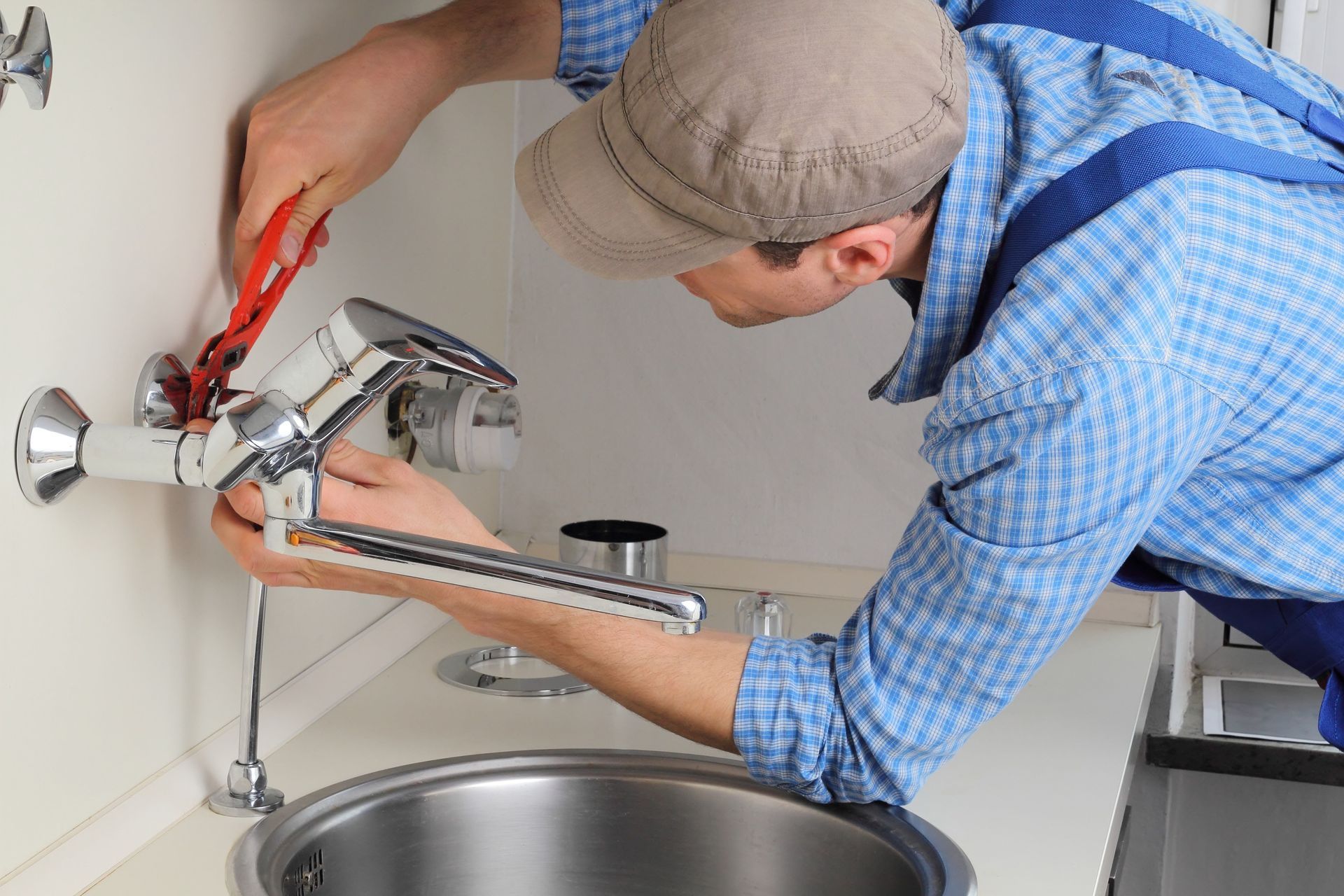
Recognizing the appropriate time to request expert intervention is the primary key to effective appliance management and overall home safety. While minor issues like resetting a tripped electrical breaker are handled independently, complex mechanical problems require specialized diagnostic skills. Working alongside a certified technician ensures your appliance receives correct interventions without risking further structural damage. Establishing a reliable relationship with a local industry expert guarantees consistent care. Mismanaged amateur repairs can void warranties and cause damage.
Implementing a regular maintenance agreement with a dedicated professional prevents minor system complications from escalating into massive plumbing failures. These proactive care plans include priority scheduling, thorough visual inspections, and comprehensive component testing for your complete peace of mind. A qualified plumbing contractor will expertly flush the storage tank, inspect the protective anode rod, and verify the physical integrity of the pressure relief valve. These strategic, preventative measures ensure optimal performance and greatly extend the operational lifecycle.
Deciding between fixing or completely replacing your current water heater involves a careful evaluation of the unit's operational performance and overall breakdown frequency. By fully understanding distinct warning signs and thoroughly evaluating economic and environmental factors, property owners make highly informed decisions. Upgrading to modern appliance technology improves the reliability of your daily hot water supply and actively supports long-term ecological sustainability. Balancing these immediate household needs with broader energy conservation goals ensures your living space remains comfortable.
Maintaining a functional home infrastructure requires steady dedication, strategic planning, and ongoing support from experienced local tradespeople. Regular maintenance checkups and timely mechanical upgrades guarantee your property retains structural value while delivering daily comfort your family deserves. Ignoring early warning signs of internal system failure simply leads to greater household inconvenience and steeper repair bills down the line. When you are ready to evaluate your setup, discuss options with a seasoned plumbing contractor to ensure optimal results. If you need expert assistance with your water heating system, we invite you to contact us at A&P Plumbing and Sewer.