August 7, 2026
Clogged and slow-moving drains can disrupt daily routines, create unpleasant odors, and eventually lead to expensive plumbing repairs. Grease, soap residue, mineral deposits, food particles, hair, and other debris can collect inside pipes over time, narrowing the passage and reducing water flow. Traditional methods may provide temporary relief, but they do not always remove the buildup coating the pipe walls. This high-pressure cleaning method offers a more thorough approach by using water to clear stubborn obstructions and wash away accumulated residue. Because it does not rely on harsh chemicals, it can also be an environmentally responsible option for many residential and commercial plumbing systems.
Removing Stubborn Drain Buildup
One of the greatest advantages of high-pressure water cleaning is its ability to remove material that ordinary plungers, snakes, and store-bought cleaners may leave behind. Mechanical snakes often create a pathway through a blockage without fully cleaning the pipe. As a result, grease, sludge, and other residue can remain attached to the interior walls, allowing another clog to form soon afterward. The process sends a concentrated stream of water through the line, breaking apart dense buildup and flushing loosened debris toward the main sewer connection.
This cleaning power makes the method useful for kitchen drains, bathroom lines, laundry drains, and sewer pipes affected by years of accumulation. Specialized nozzles direct water forward and backward, helping the equipment move through the line while cleaning the entire pipe circumference. The process can remove grease, hair, soap scum, food waste, sediment, and some intrusive roots. By addressing both the blockage and the surrounding residue, professional cleaning can restore stronger flow and reduce the likelihood of recurring problems.
Reducing Dependence on Harsh Chemicals
Many homeowners turn to chemical drain cleaners when water begins draining slowly, but these products can create additional concerns. Strong formulas may contain corrosive ingredients that generate heat and damage certain pipes, especially when used repeatedly or left sitting in the line. Chemical cleaners can also release fumes, irritate the skin and eyes, and introduce substances into wastewater systems. They may dissolve part of a clog without removing the full accumulation, leaving the underlying drainage issue unresolved.
Drain hydro jetting uses pressurized water as the primary cleaning force, making it a practical alternative when the plumbing system is suitable for the procedure. The method does not depend on caustic chemicals to break apart grease, sludge, and organic debris. This approach can help limit unnecessary chemical use while still producing a comprehensive cleaning result. A plumber can evaluate the pipe material and condition before beginning, allowing the service to be performed with the appropriate pressure and nozzle configuration.
Restoring Consistent Water Flow
Slow drains are often an early warning sign that buildup is restricting the interior of a pipe. Water may begin pooling in sinks, tubs, or showers, and multiple fixtures may drain poorly when a larger branch line is affected. Gurgling sounds, unpleasant odors, and frequent backups can also indicate that wastewater is struggling to move through the system. Ignoring these symptoms may allow the obstruction to grow until the pipe becomes completely blocked.
Professional drain hydro jetting can restore more consistent flow by clearing the materials that reduce the pipe's usable diameter. Once the interior walls are cleaned, wastewater can travel more freely through the line. This improvement can be especially valuable in busy households, restaurants, apartment buildings, and commercial facilities where plumbing systems handle heavy daily use. Faster drainage also reduces standing water that can collect odors, attract pests, or interfere with routine cleaning and sanitation.
Preventing Repeated Drain Clogs
Recurring clogs often indicate that the problem extends beyond a single object lodged in the drain. Grease and soap can create sticky layers that trap hair, food particles, and other waste each time water moves through the pipe. Even after a temporary opening is made, these layers continue collecting debris and gradually rebuild the blockage. Repeated plunging or snaking may become necessary because the pipe was never fully cleaned.
By washing away residue along the pipe walls, drain hydro jetting can support longer-lasting results than methods that only puncture or partially remove a clog. Preventive service may be recommended for properties with a history of grease buildup, heavy usage, or recurring sewer line problems. According to Strategicrevenueinsights.com, the hydro jetting services market is expected to grow to USD 2.5 billion by 2033, with a compound annual growth rate (CAGR) of 6.8% between 2025 and 2033. This projected growth reflects increasing interest in thorough drain maintenance and modern pipe-cleaning solutions.
Protecting Plumbing System Performance
Healthy drainage depends on more than clearing emergency blockages. Pipes must remain open enough to carry wastewater efficiently without creating excess pressure or allowing debris to settle. Heavy buildup can strain connections, worsen leaks, and contribute to overflows that damage floors, cabinets, walls, or stored belongings. In sewer lines, severe restrictions may force wastewater back through lower-level drains and create unsanitary conditions inside the property.
Drain hydro jetting can become part of a proactive maintenance plan that supports the performance of the overall plumbing system. A professional plumber may use video inspection equipment before cleaning to locate the obstruction, identify damaged areas, and determine whether the pipe can safely withstand high-pressure water. Afterward, another inspection may confirm that debris has been removed. This careful process helps distinguish ordinary buildup from concerns such as collapsed pipes, separated joints, or severe root intrusion that require repair.
Serving Residential and Commercial Properties
Different properties place different demands on their drainage systems. Residential pipes may collect hair, soap, hygiene products, cooking grease, and food scraps. Commercial kitchens often experience heavier grease accumulation, while salons, laundromats, healthcare facilities, and industrial properties may deal with specialized waste and high water usage. In multifamily buildings, one restriction can affect several units and inconvenience many residents at the same time.
Professional plumbers can adapt drain hydro jetting to the pipe size, blockage type, and conditions found at each property. Water pressure and nozzle selection can be adjusted to target specific materials without using a one-size-fits-all method. Commercial properties may schedule routine cleaning to reduce unexpected shutdowns and support sanitary operations. Homeowners may request the service after repeated clogs, before moving into an older house, or when a camera inspection reveals extensive residue inside the drainage system.
Preparing Pipes for Effective Cleaning
Although hydro jetting is powerful, it is not appropriate for every pipe without an evaluation. Older, brittle, corroded, or severely damaged lines may be vulnerable to high water pressure. A plumber should inspect the system, review its repair history, and identify the pipe material before recommending service. Video cameras can reveal cracks, offsets, collapses, and weak joints that may require repair before cleaning begins. This assessment also helps locate the blockage and determine the most effective access point.
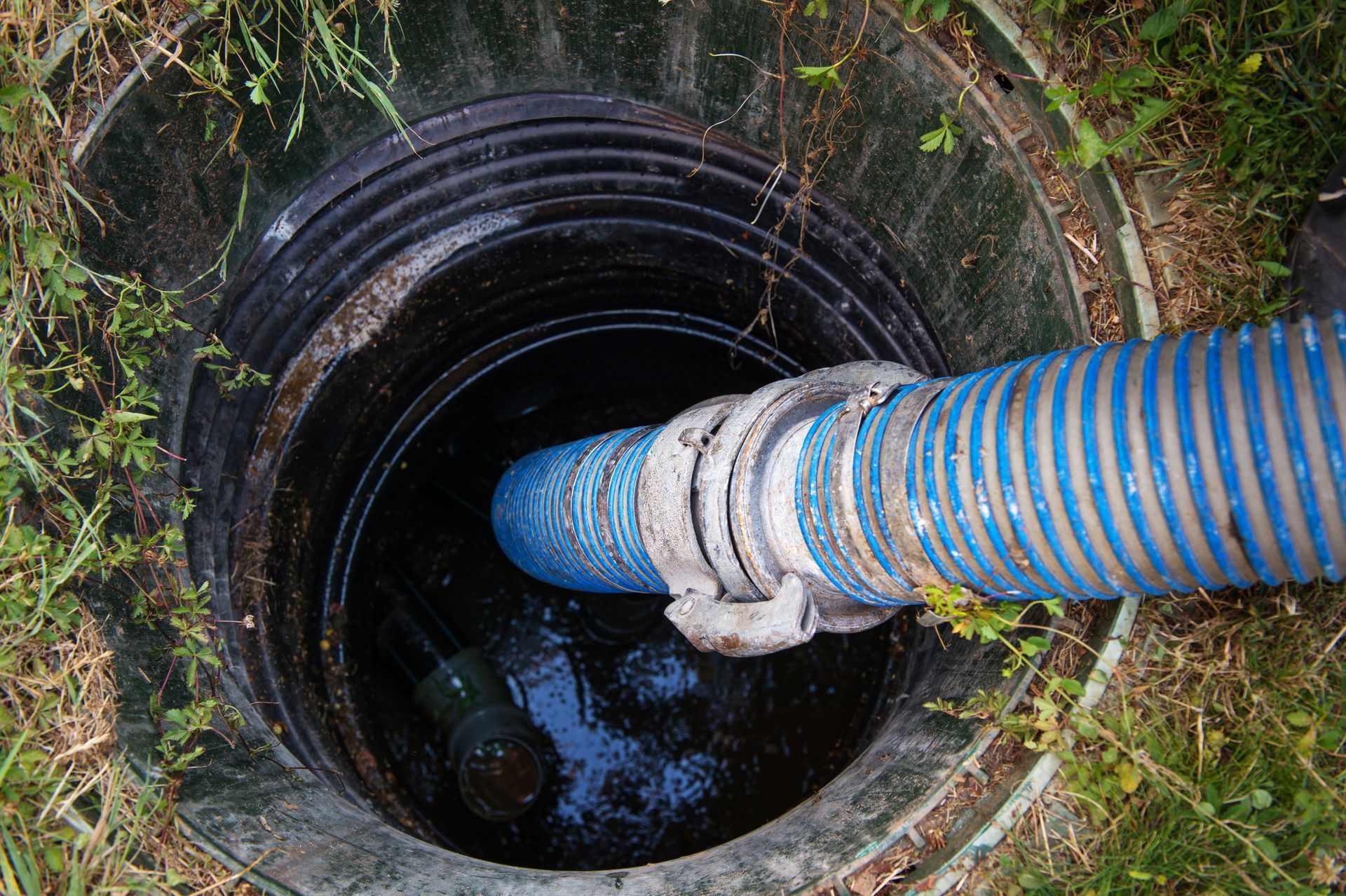
Once the system is approved for drain hydro jetting, the plumber inserts a specialized hose and nozzle through a cleanout or another suitable opening. Pressurized water breaks apart the obstruction and scours the inner walls while debris is flushed through the line. The plumber monitors the process and may change nozzles to address grease, scale, roots, or compacted waste. When performed by trained professionals, this preparation and controlled application help produce a thorough result while protecting the surrounding plumbing.
Drain problems can become more disruptive and expensive when buildup is allowed to remain inside the plumbing system. Drain hydro jetting offers a powerful way to remove stubborn residue, restore water flow, reduce recurring clogs, and limit reliance on harsh chemical cleaners. It can serve homes, commercial facilities, and multifamily properties when the pipes are in suitable condition, and the work is completed by an experienced plumber. A professional inspection can identify the cause of the blockage, confirm whether high-pressure cleaning is appropriate, and determine the best plan for lasting drainage improvement. For dependable service and help restoring your plumbing system, contact A&P Plumbing and Sewer.