November 16, 2026
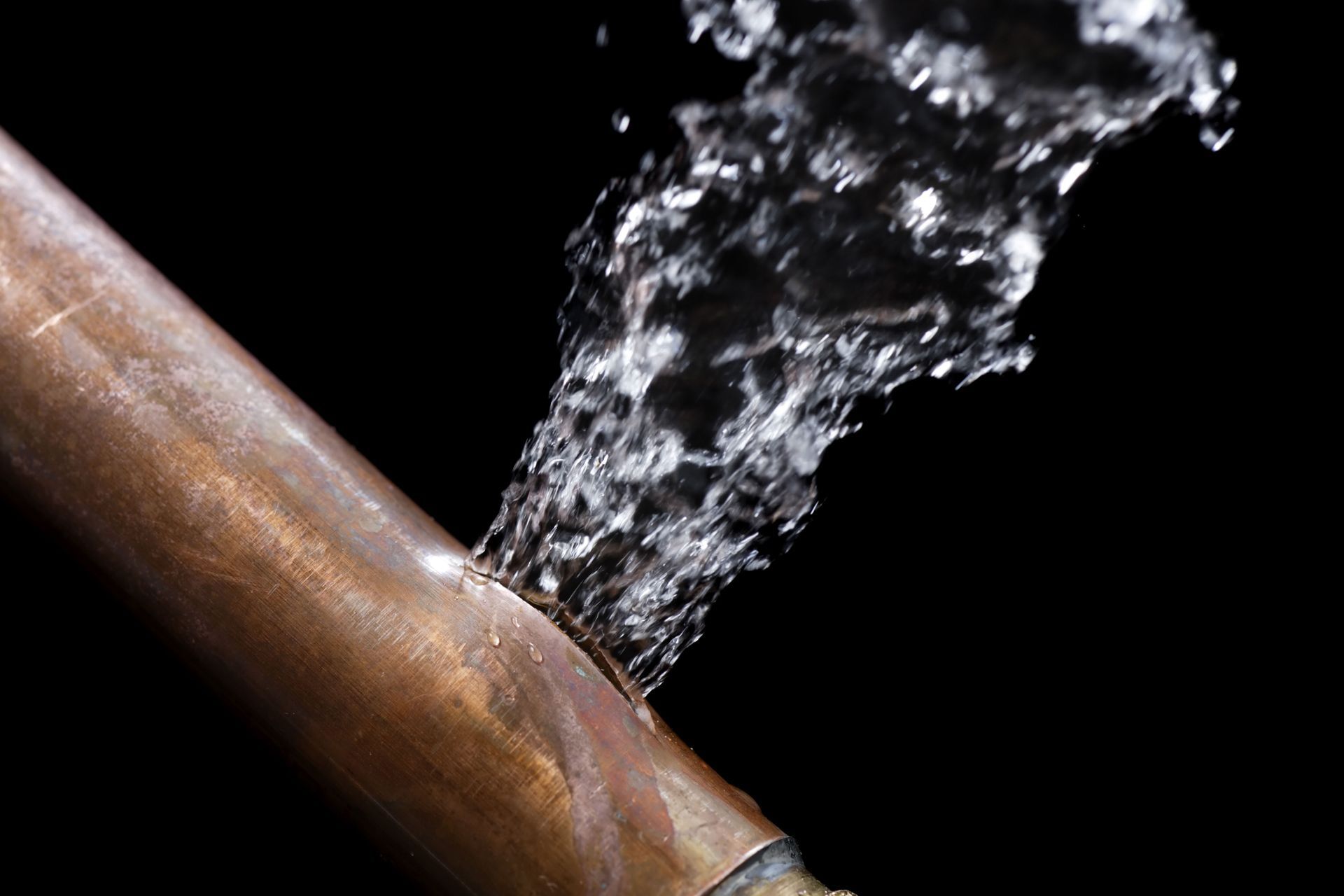
Awakening to gushing water within drywall or stepping into a flooded basement represents an instantaneous household crisis that fills any property owner with panic. Modern residential structures conceal an extensive pressurized water supply and gravity drainage network designed to deliver comfort, sanitation, and daily convenience. Yet, when an unexpected pipe burst, sewer backup, or ruptured water heater occurs, that same infrastructure quickly threatens household belongings, structural framing, and residential equity. During high-stress plumbing crises, minutes matter immensely, as uncontrolled water rapidly saturates subfloor plywood, ruins floor coverings, and fosters microbial mold colonies behind finished surfaces. Many homeowners mistakenly freeze in shock or immediately reach for telephone directories while water continues pouring through ceiling light fixtures and cascading across hardwood flooring. The sheer volume of household water lost to unaddressed failures illustrates the destructive scale of residential leaks; indeed, according to RubyHome, Americans waste roughly one trillion gallons of water yearly due to leaky pipes, faucets, sprinkler systems, and more. This monumental waste highlights why property owners must take immediate, decisive containment actions the moment an unexpected leak develops. Sourcing professional assistance is essential, yet knowing how to stabilize the domestic environment before technicians arrive prevents catastrophic damage. Sourcing licensed professional assistance ensures permanent remediation, but preliminary containment remains entirely in the hands of the homeowner. Mastering containment protocols safeguards capital, mitigates remediation bills, and guarantees lasting peace of mind across every unexpected domestic emergency.
Shutting Down the Main Residential Water Supply Valve
The single most urgent action any property owner must execute during a sudden hydraulic crisis is locating and closing the main water shutoff valve. Every residential structure features a primary shutoff valve that controls all pressurized municipal or well water entering the dwelling. This vital valve is typically situated in a basement near the front foundation wall, inside a utility closet, or housed within an exterior ground box near the curb. When a pressurized pipe fractures, simply closing cabinet doors or placing buckets underneath cascading torrents achieves nothing while high-pressure municipal water continues pumping into living quarters. Homeowners must familiarize themselves with their specific valve design, whether an older brass gate valve requiring clockwise turning or a modern ball valve requiring a quarter-turn perpendicular to the pipe. Sourcing emergency plumbing services becomes significantly more efficient when incoming municipal flow is halted immediately. Furthermore, if the valve proves stubborn, applying steady leverage avoids snapping brittle copper pipes. Halting pressurized water stops active flooding, mitigates structural framing rot, and establishes an essential foundation of long-term physical safety.
Isolating Individual Fixtures and Relieving Trapped System Pressure
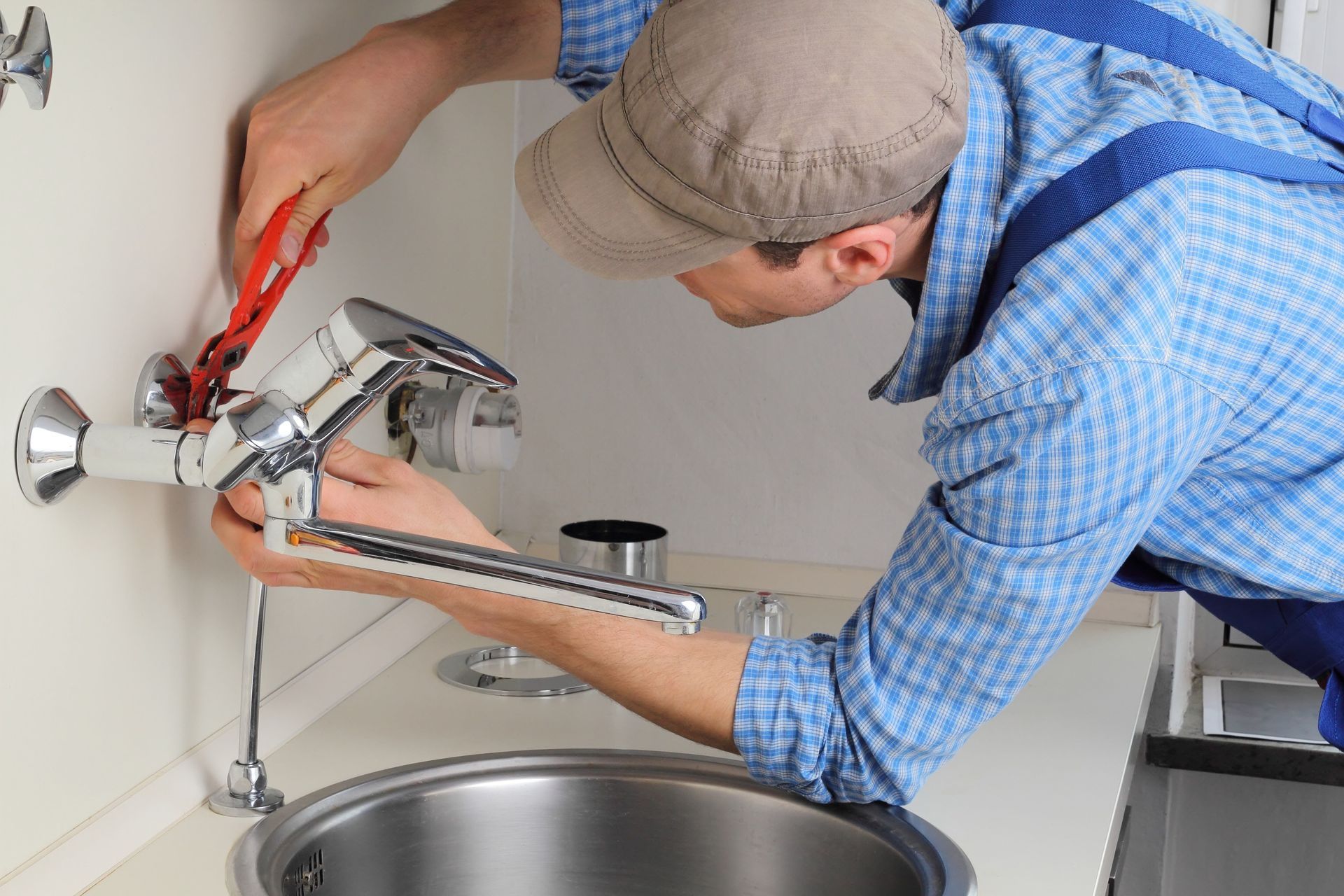
In situations where an emergency is isolated to a specific household appliance—such as an overflowing toilet, an under-sink pinhole leak, or a vibrating washing machine hose—closing the localized fixture shutoff valve prevents total household disruption. Beneath sinks and behind toilet tanks, angle stop valves allow occupants to cut water flow to problematic fixtures without starving the rest of the residential dwelling of functional running water. Once the relevant valve or the main water shutoff is closed, homeowners must relieve lingering hydraulic pressure stored within internal pipes. Pressure remains trapped inside supply lines even after valves are closed, meaning punctured pipes can continue dripping gallons of water into wall cavities. Opening outdoor spigots and basement faucets siphons remaining water out of overhead pipes through gravity drainage. Scheduling dependable plumbing services ensures compromised supply lines receive professional repairs once internal pressure is depleted. Relieving trapped pressure empties distribution networks, stops lingering ceiling drips, and prevents sudden water bursts when technicians detach damaged pipe sections.
Disconnecting Electrical Circuits and Mitigating Subterranean Shock Hazards
Water conducts electricity with lethal efficiency, transforming wet domestic basements, flooded mechanical rooms, and dripping ceilings into perilous electrocution zones. When water travels toward basement breaker panels, stepping into standing pools can cause fatal trauma. Before wading through pooling water to inspect a burst pipe, property owners must navigate to the service panel and switch off breakers controlling affected areas. If the electrical service panel itself is surrounded by standing water, touching the metal enclosure is extraordinarily perilous; in such severe circumstances, calling the municipal power utility to disconnect electric service externally represents the only safe course of action. Enlisting accredited plumbing services guarantees that subsequent mechanical repairs proceed within a safe, de-energized environment. Furthermore, unplugging electronic appliances, television sets, and computer hardware situated near moisture paths prevents destructive electrical short circuits and equipment fires. Prioritizing electrical isolation protects occupants from shock hazards and prevents electrical fires.
Clearing Standing Moisture and Salvaging Personal Household Valuables
Once water flow is halted and electrical safety is verified, the race against time shifts toward moisture extraction and structural salvage. Porous materials—such as upholstered furniture and carpets—absorb water rapidly, swelling beyond repair within a brief window of continuous exposure. Property owners should immediately remove damp rugs, elevate furniture onto blocks, and carry saturated bins into ventilated garage spaces. Utilizing wet-dry shop vacuums, heavy-duty floor squeegees, and microfiber mop buckets allows occupants to remove standing water from concrete slabs and hardwood planks before moisture seeps into porous subfloors. Sourcing skilled plumbing services connects homeowners with technicians who diagnose the root pipe failure while property owners manage initial surface drying. Furthermore, opening windows, positioning floor fans, and turning on dehumidifiers accelerates evaporation, driving indoor humidity down. Rapid moisture removal minimizes structural warping, prevents furniture loss, and lowers water damage restoration expenditures.
Documenting Structural Compromise and Gathering Insurance Evidence
In the chaotic aftermath of a major residential water leak, gathering clear photographic and video evidence represents an indispensable financial shield when submitting property insurance claims. Insurance adjusters require comprehensive documentation demonstrating the precise origin of the pipe rupture, the extent of structural water migration, and an itemized inventory of damaged personal property. Before discarding ruined rugs, property owners should walk through the premises with smartphone cameras, photographing wet ceilings, swollen baseboards, and fractured pipe sections. Retaining professional plumbing services provides detailed diagnostic invoices that verify the mechanical cause of the leak for underwriters. Homeowners should keep compromised pipe fragments, as adjusters frequently examine physical components to verify damage was sudden and accidental. Diligent documentation streamlines claims processing, eliminates contentious disputes with insurance underwriters, and ensures full financial reimbursement for necessary structural repairs.
Navigating a sudden residential water emergency demands a disciplined combination of swift situational awareness, methodical hazard containment, and seasoned trade collaboration. An unexpected pipe rupture or sewer backup represents an alarming domestic crisis, but panicking accomplishes nothing while pressurized water compromises structural woodwork and family possessions. By immediately shutting down the main water supply valve, isolating problematic fixtures, cutting electrical power to wet circuits, extracting standing moisture, and thoroughly documenting property damage, homeowners establish control over volatile circumstances. Bypassing uncertified handymen in favor of licensed trade artisans ensures that underlying mechanical failures are resolved with permanent, code-compliant craftsmanship rather than superficial temporary patches. Proactive emergency management transforms a household catastrophe into an orderly repair process that protects equity. Prioritizing certified professional care preserves real estate investments, defends family health, and guarantees lasting peace of mind across every passing season for modern homeowners.
At A&P Plumbing and Sewer, our dedicated team brings deep diagnostic expertise, modern pipe-restoration technology, and an unwavering commitment to craftsmanship on every residential project we guide, ensuring your home achieves maximum plumbing reliability, unyielding structural protection, and extraordinary performance across every daily fixture. Contact us today or visit our local office to schedule your comprehensive plumbing evaluation and discover the lasting benefits of working with trusted plumbing and sewer professionals.